Lithuania
We visited Lithuania in the summer of 2022, a few months after the war in Ukraine started.
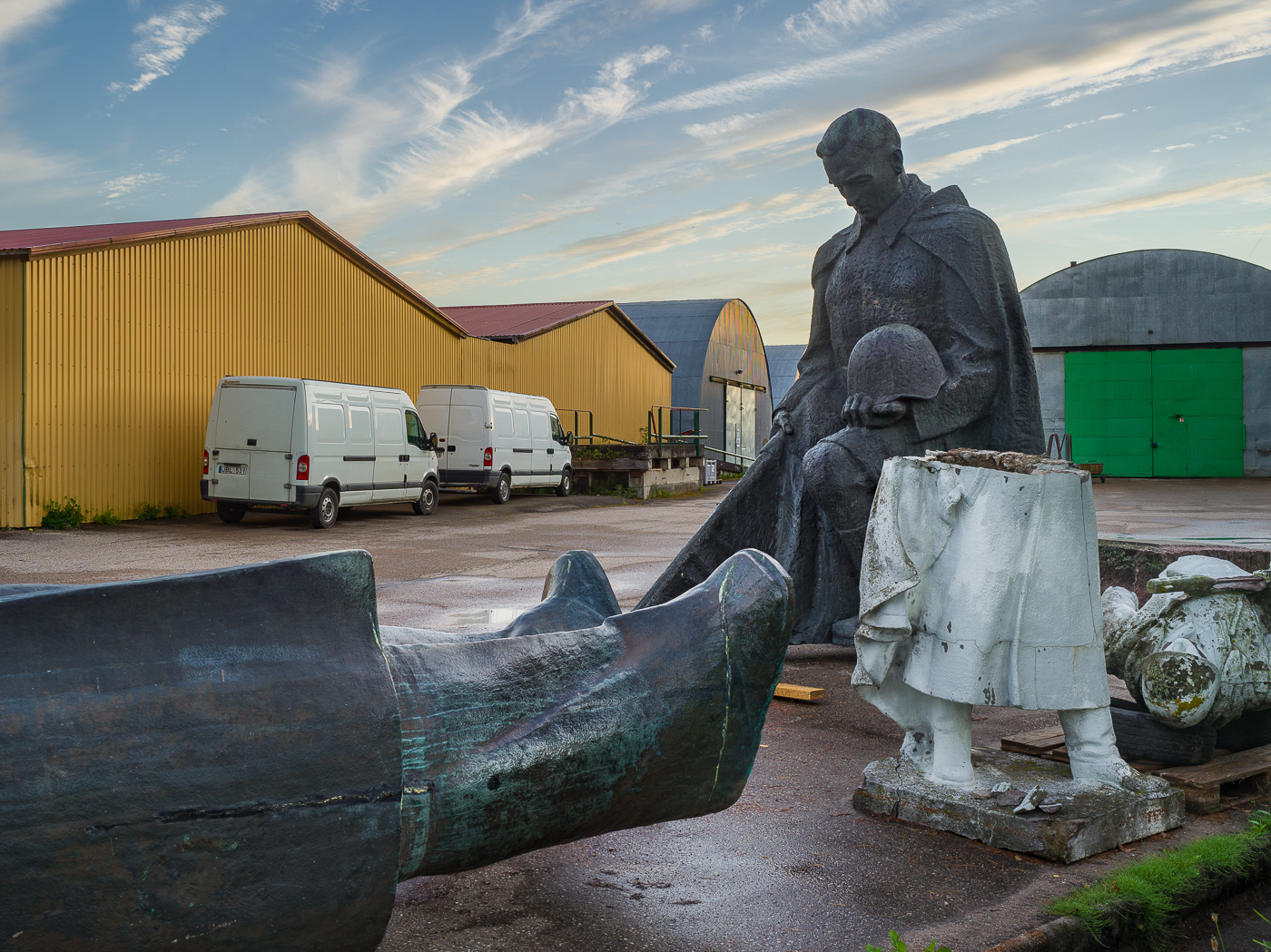
Recently toppled statues from the Soviet era are stored behind a warehouse. After restoration, they are incorporated into the sculpture garden of Grūtas Park in Lithuania. This privately managed park exhibits a large collection of Soviet sculptures to visitors.
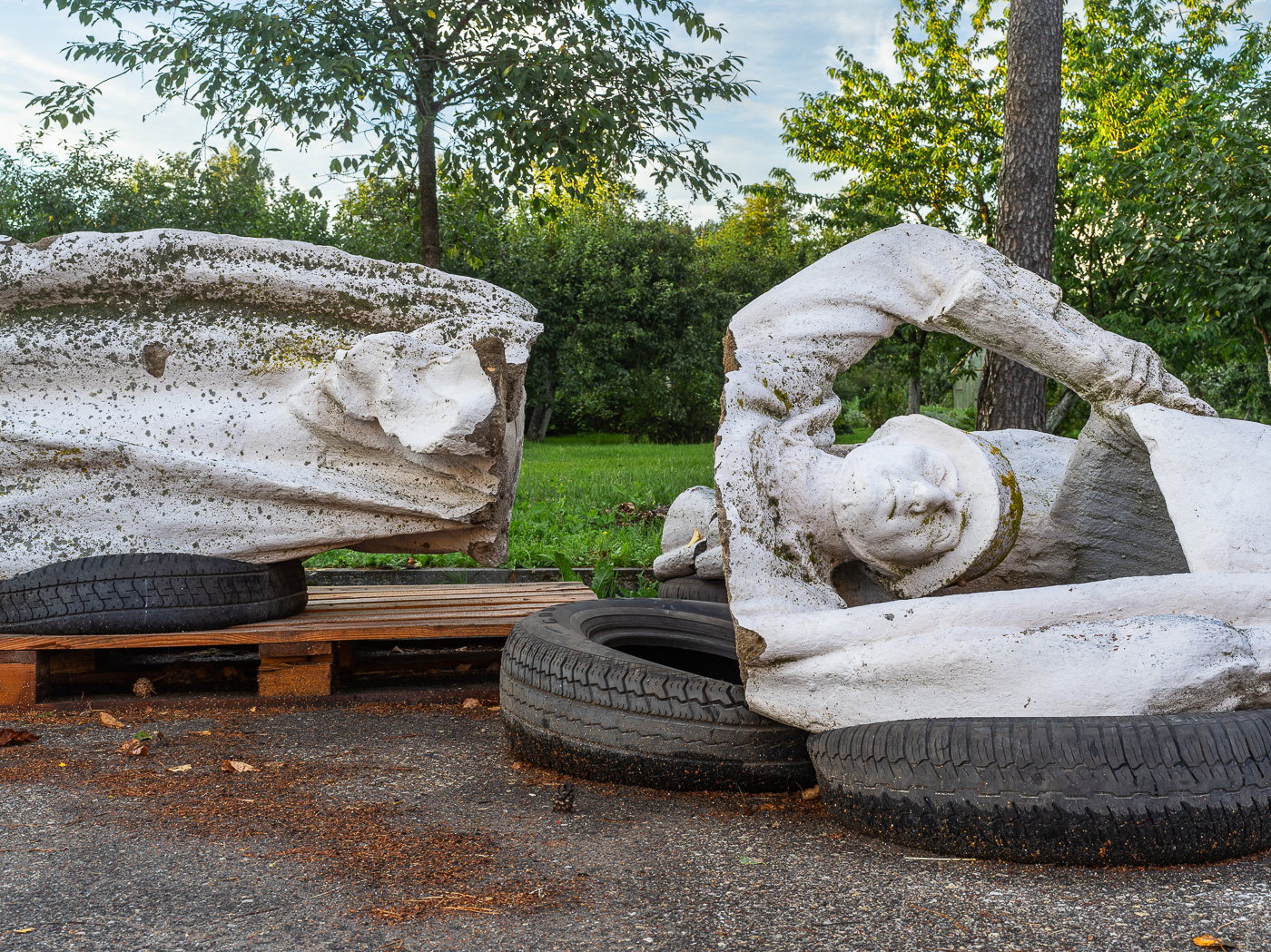
One of the damaged statues at Grūtas Park, set to be displayed once restoration is complete.
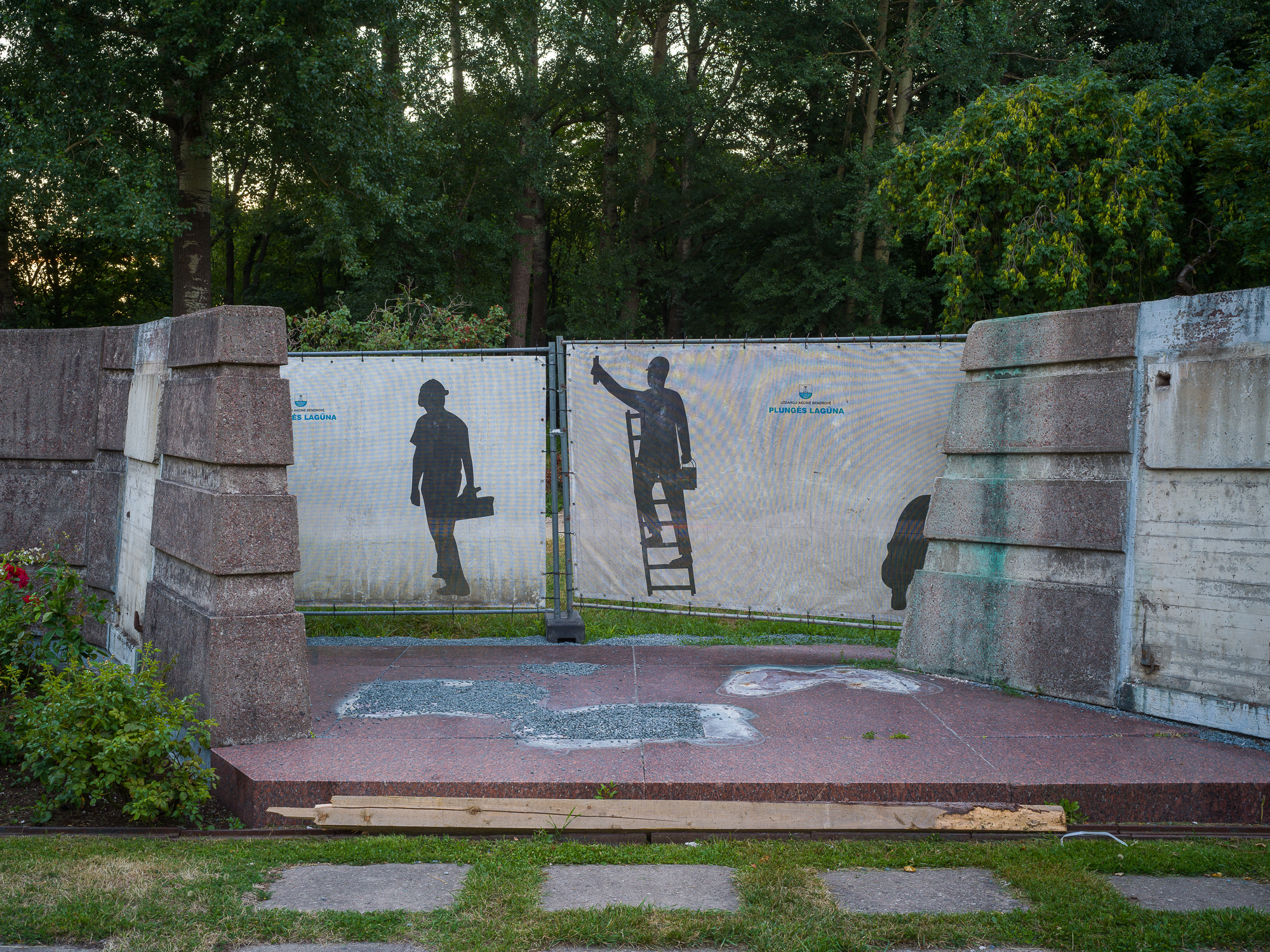
A few days before this photo was taken, the Soviet statue that had stood here for decades was removed.

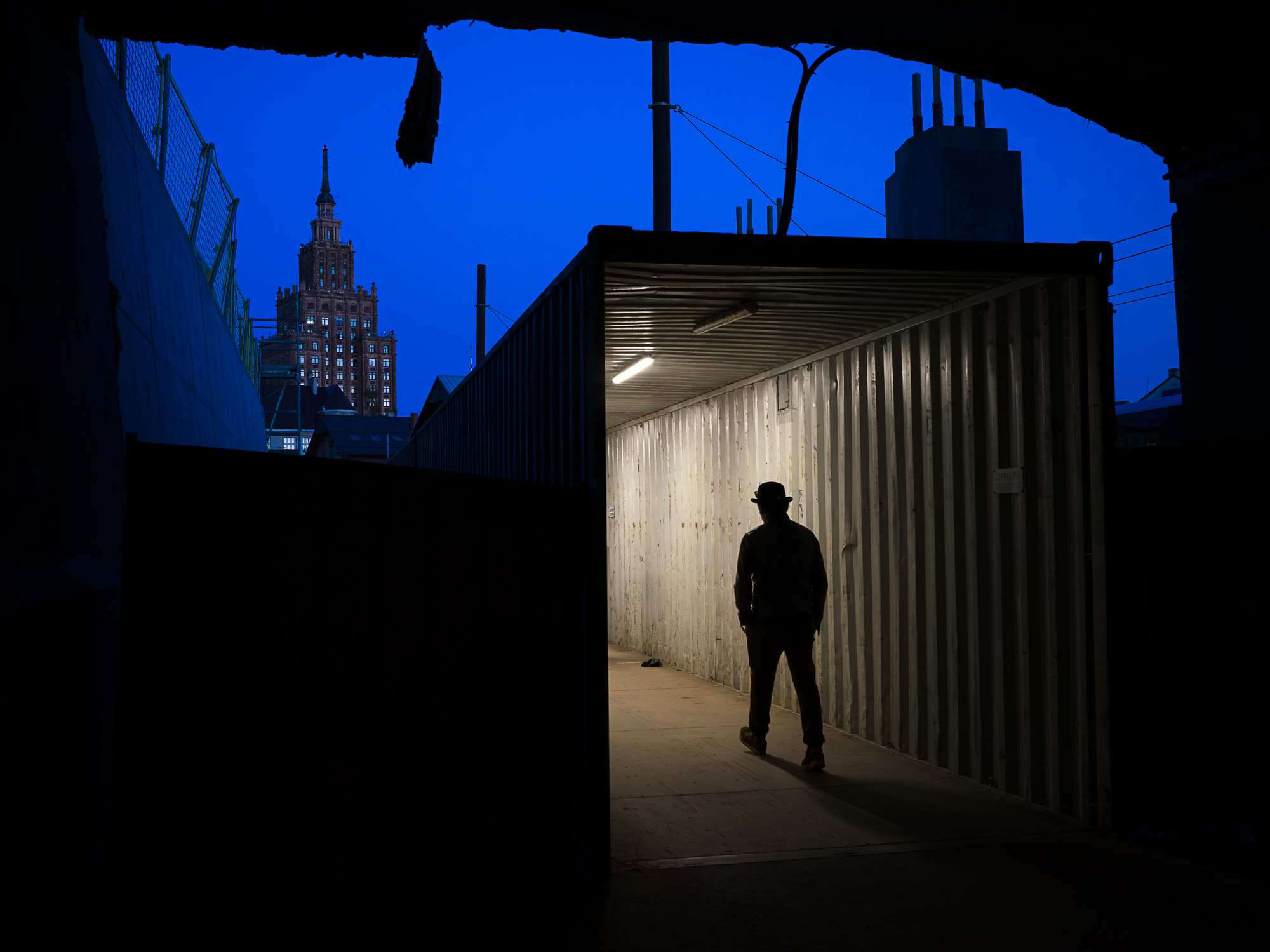
The capitals of the Baltic States have rapidly developed into modern European cities. However, the Soviet past is not far away. Amidst the Šnipiškės district in Vilnius, there's still a Soviet-era apartment building standing among the new glass office buildings.
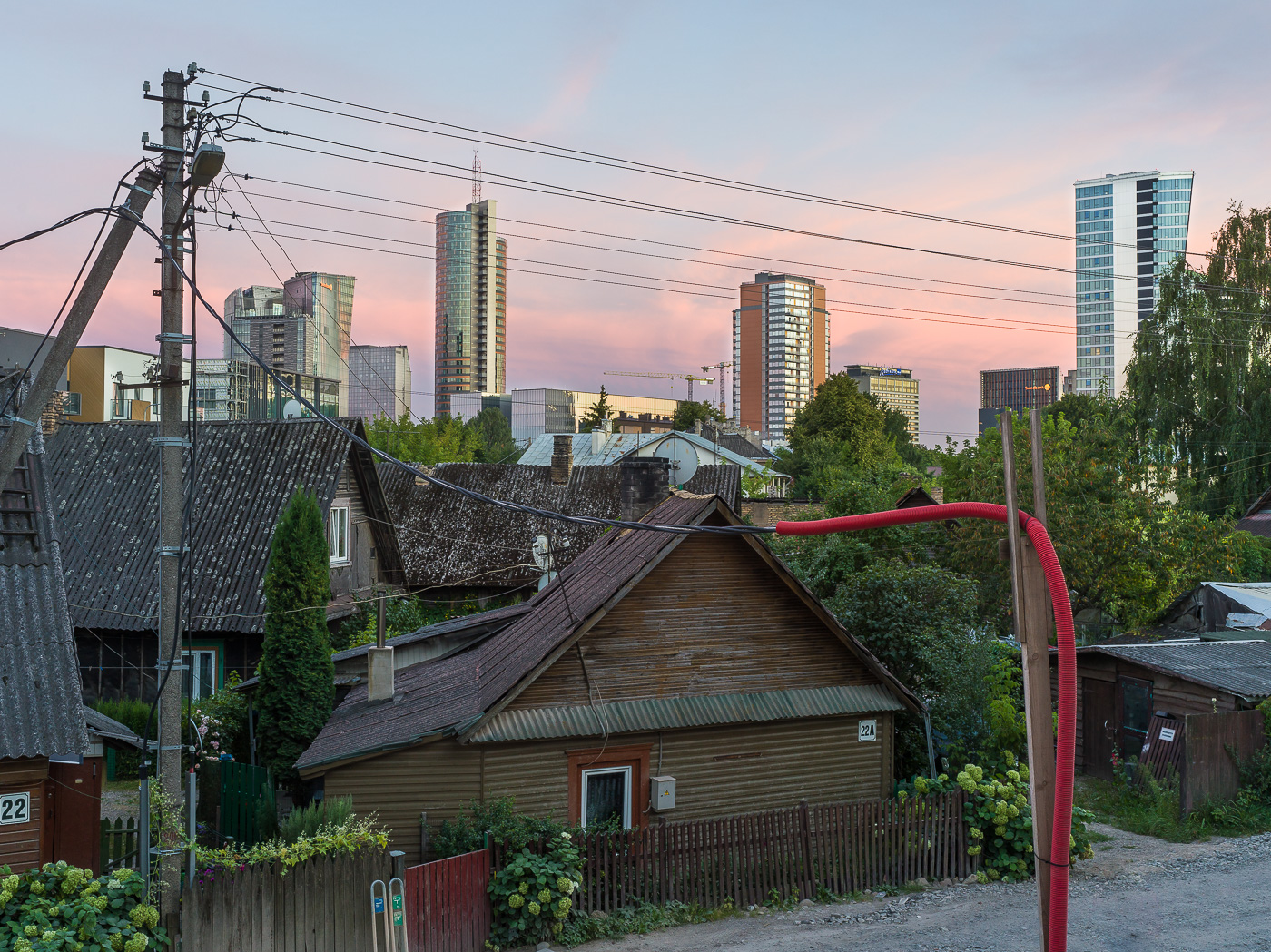
Traditional wooden houses on the edge of a new, modern office district in Vilnius.
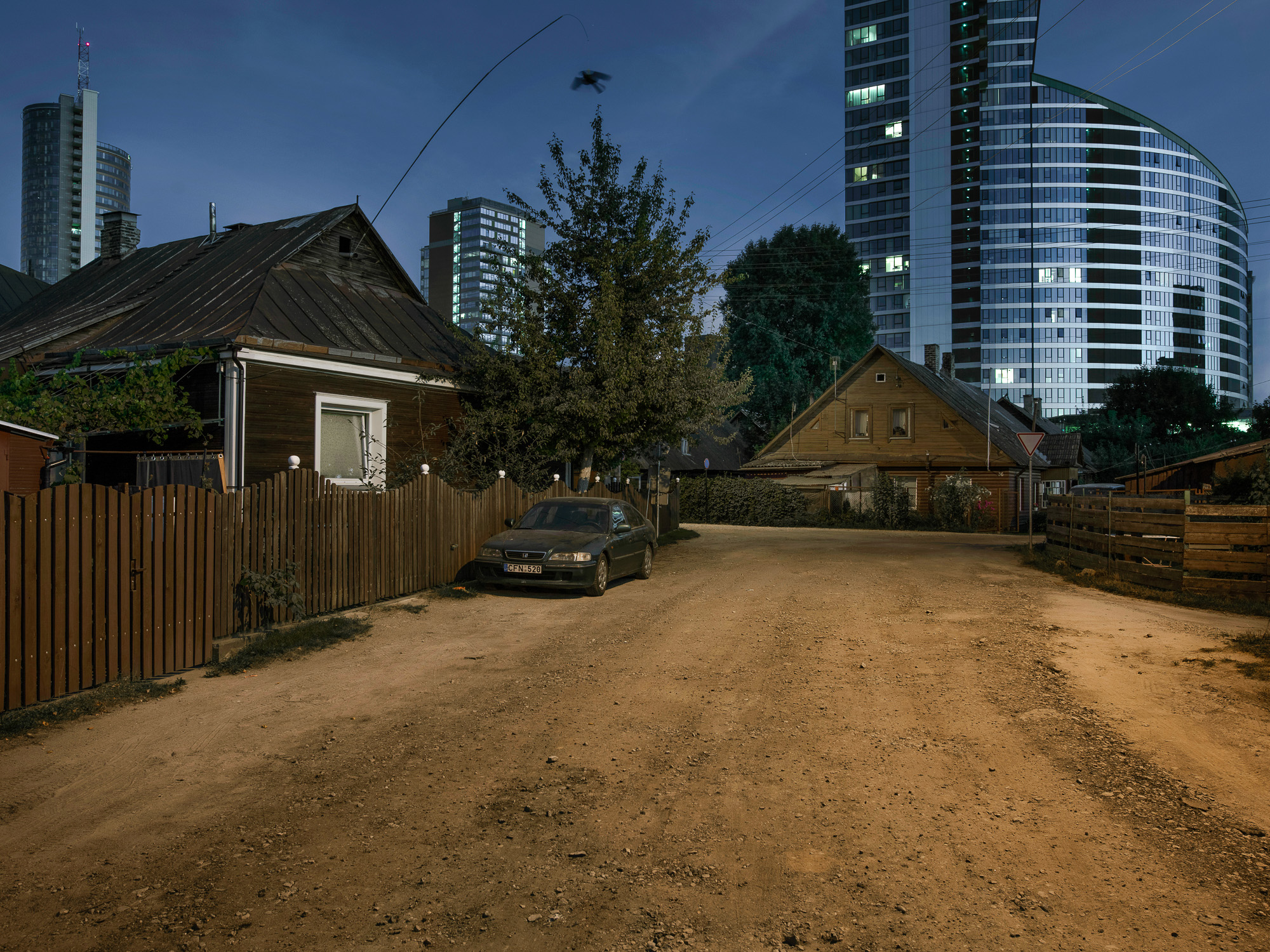
Classic wooden houses stand at the outskirts of a newly developed office district in Vilnius.
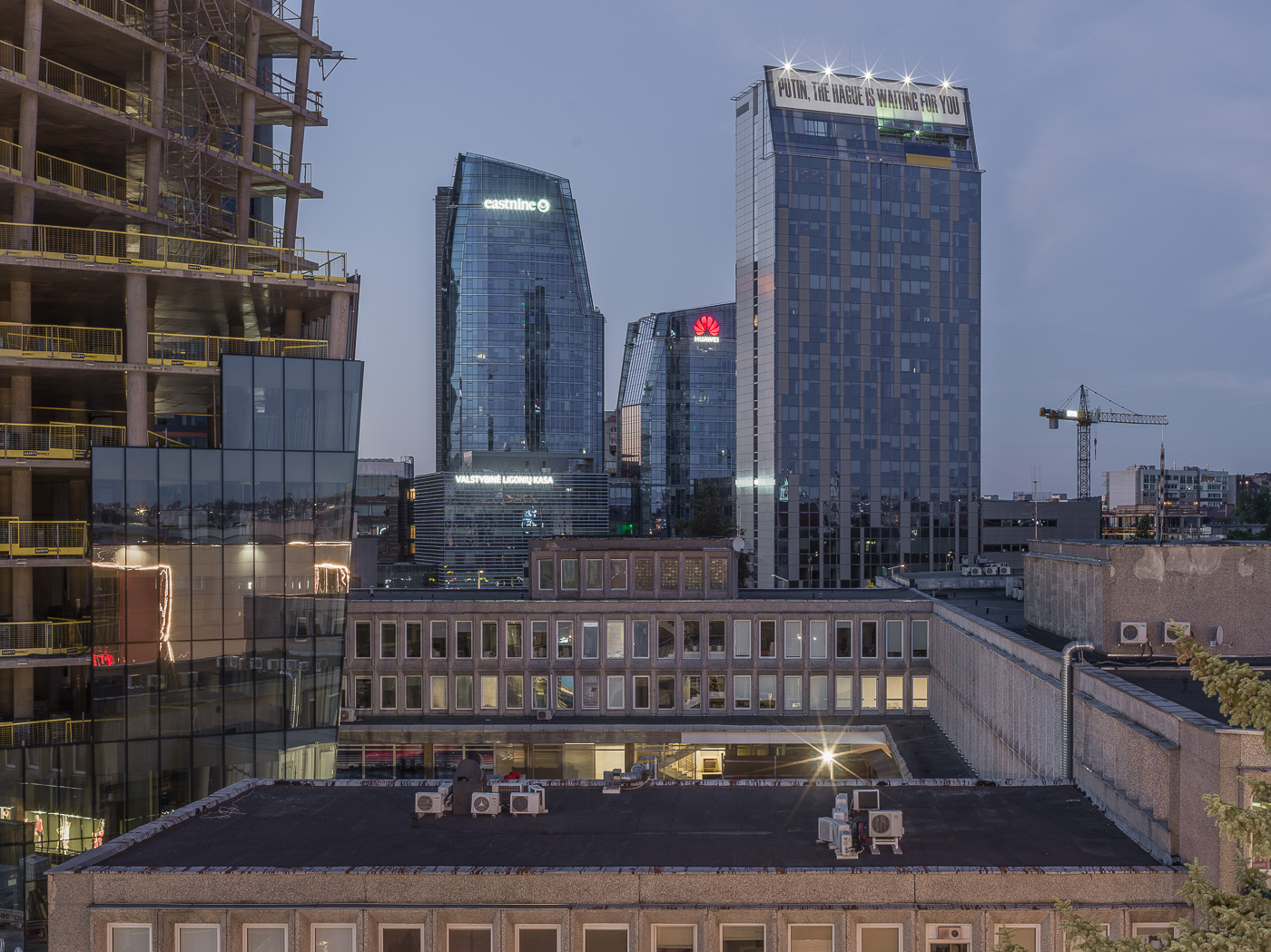
"Putin, the Hague is waiting for you" is visible on the facade of the Vilnius City Municipality building
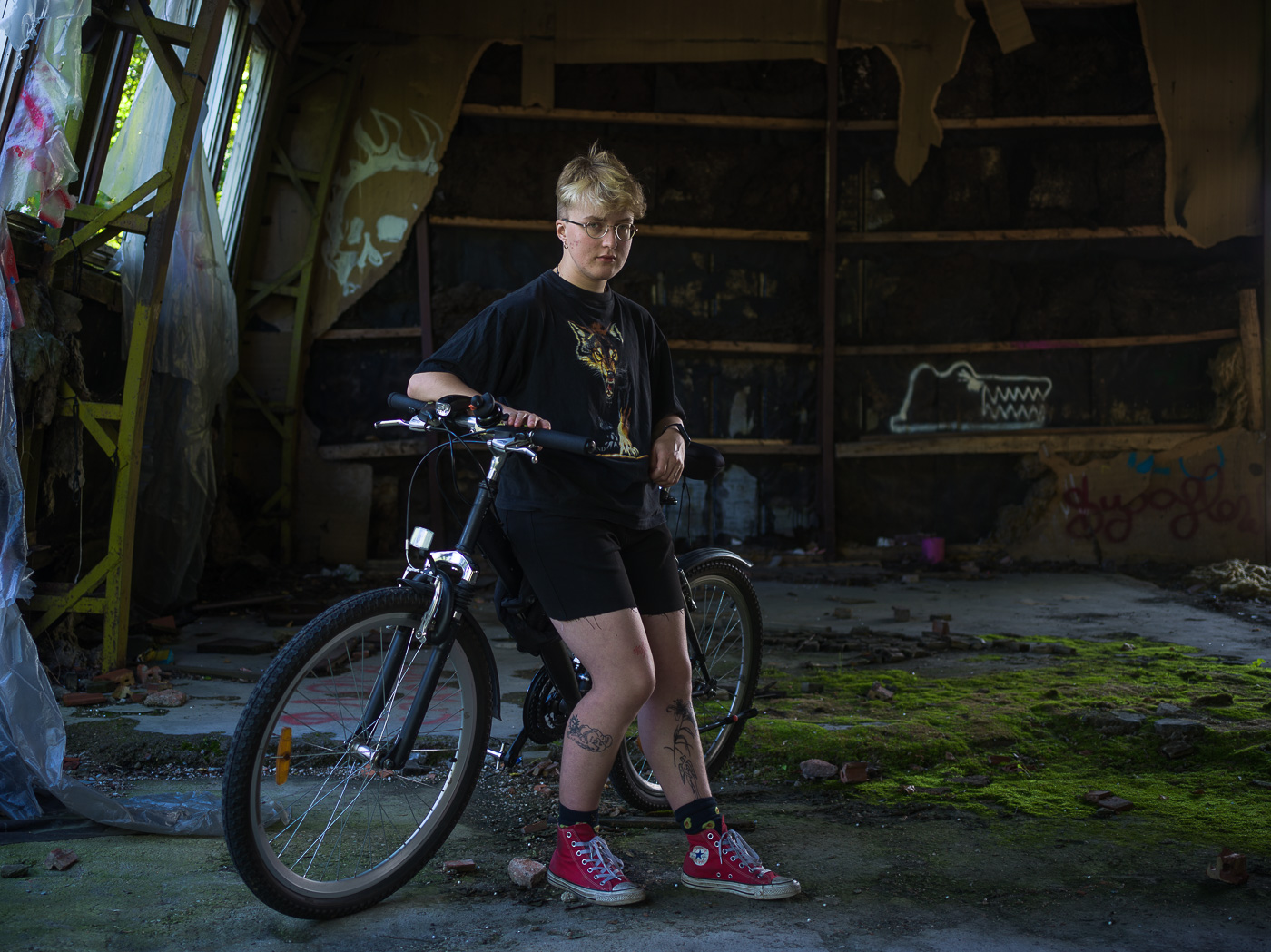
According to Alex Kochan, life as an LGBTQ person is not easy in Lithuania. He does not feel entirely free to be who he wants to be. The Russian invasion of Ukraine has strengthened his resolve to stand up for the free values of the West. As an activist artist, he tries to spread his message.
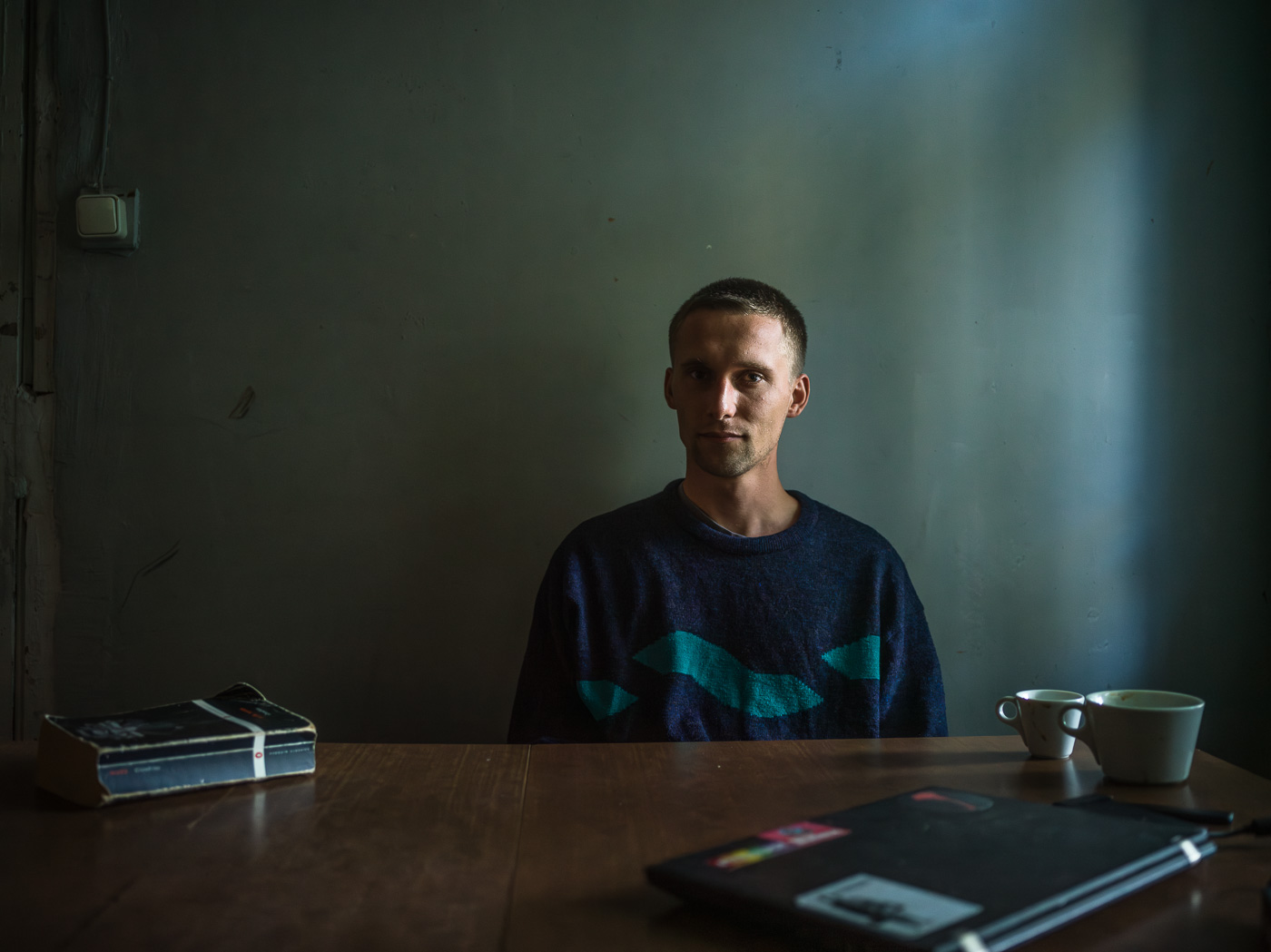
Jurgis in Emma Social Club, a socialistic community centre in Kaunas where people gather to discuss and debate.
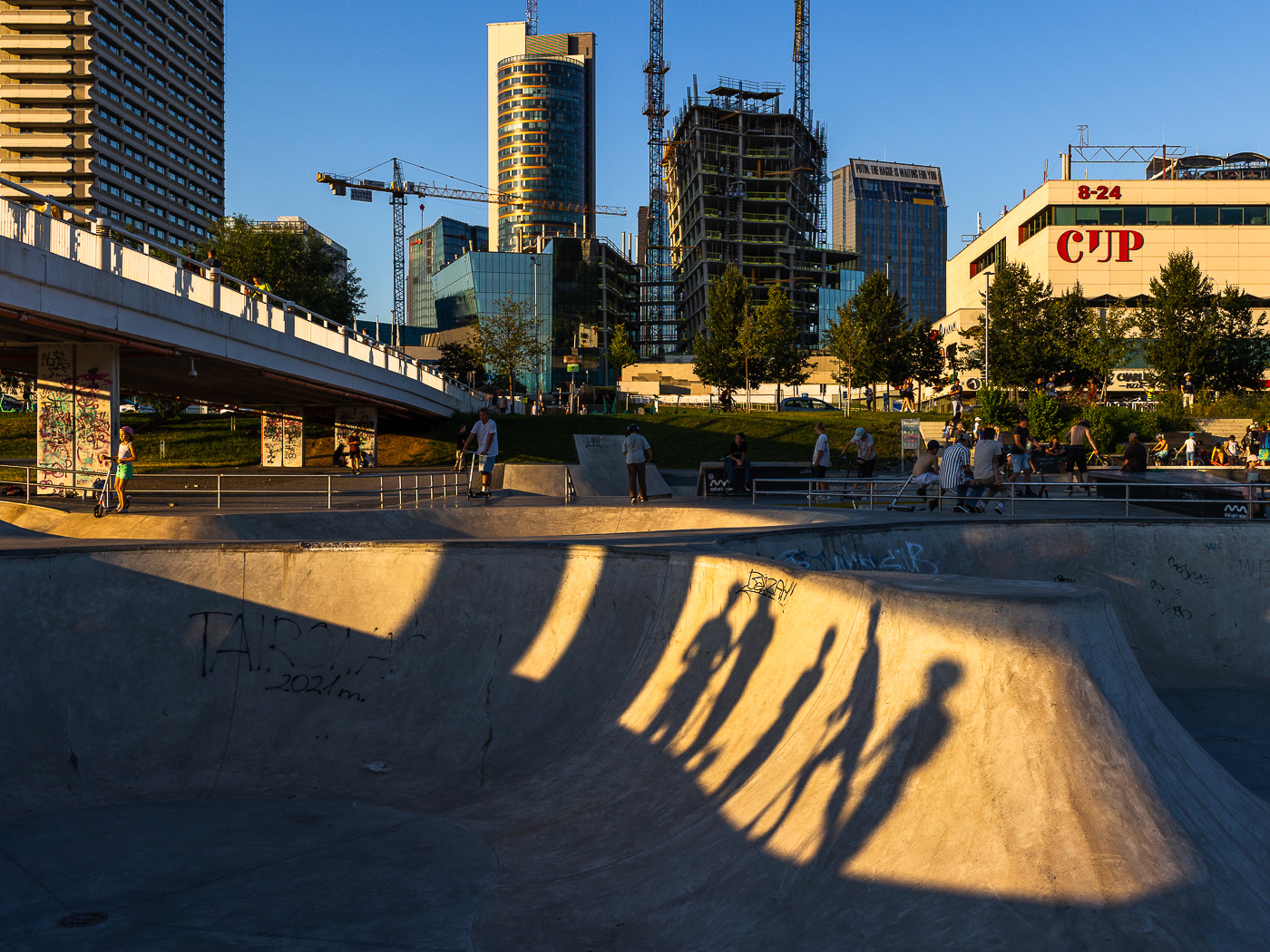
Shadows of youngsters riding their autopeds in the modern business district of Vilnius.
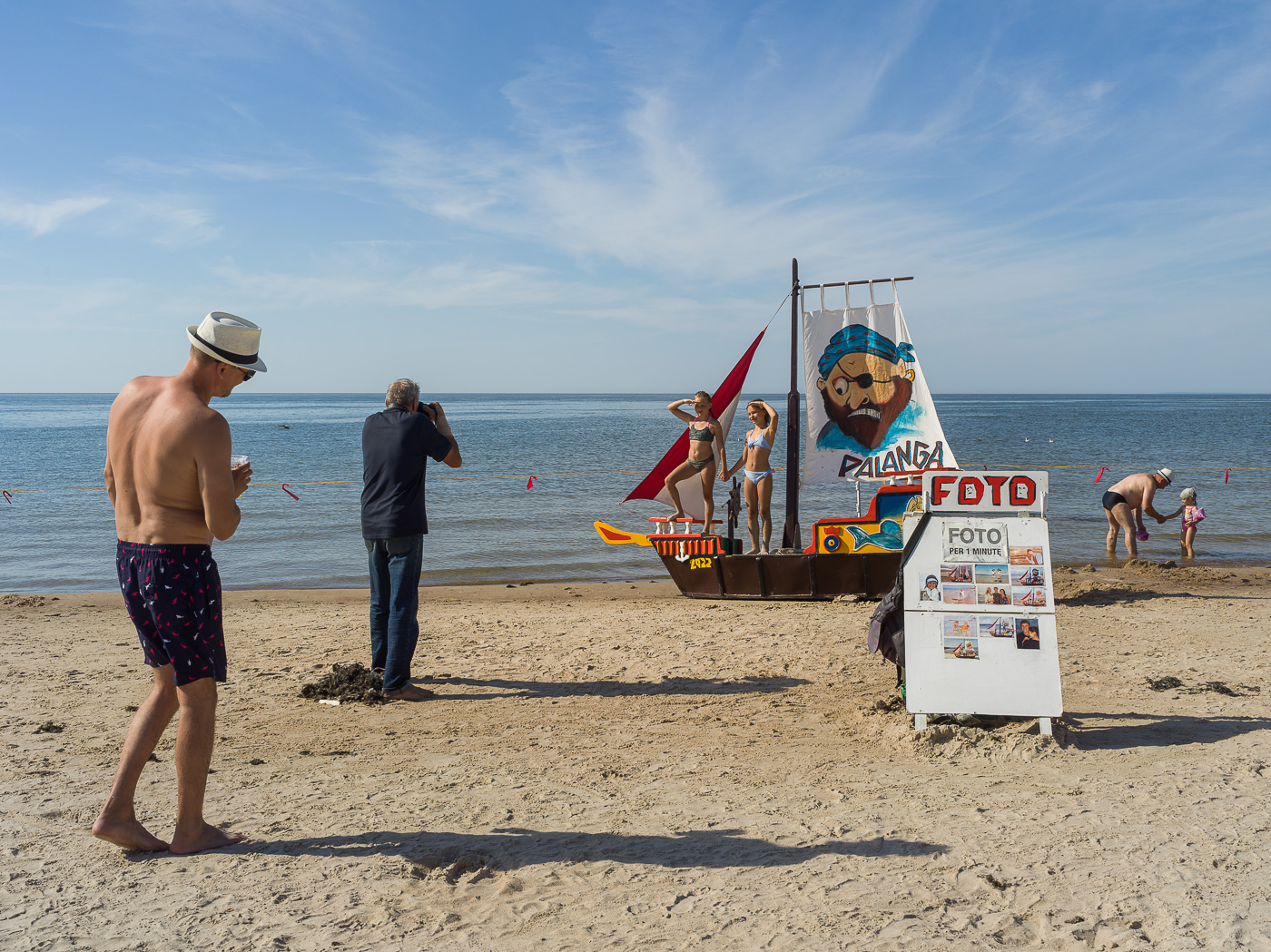
A photographer captures an image of children posing on a pirate ship at Palanga beach while their father looks on.
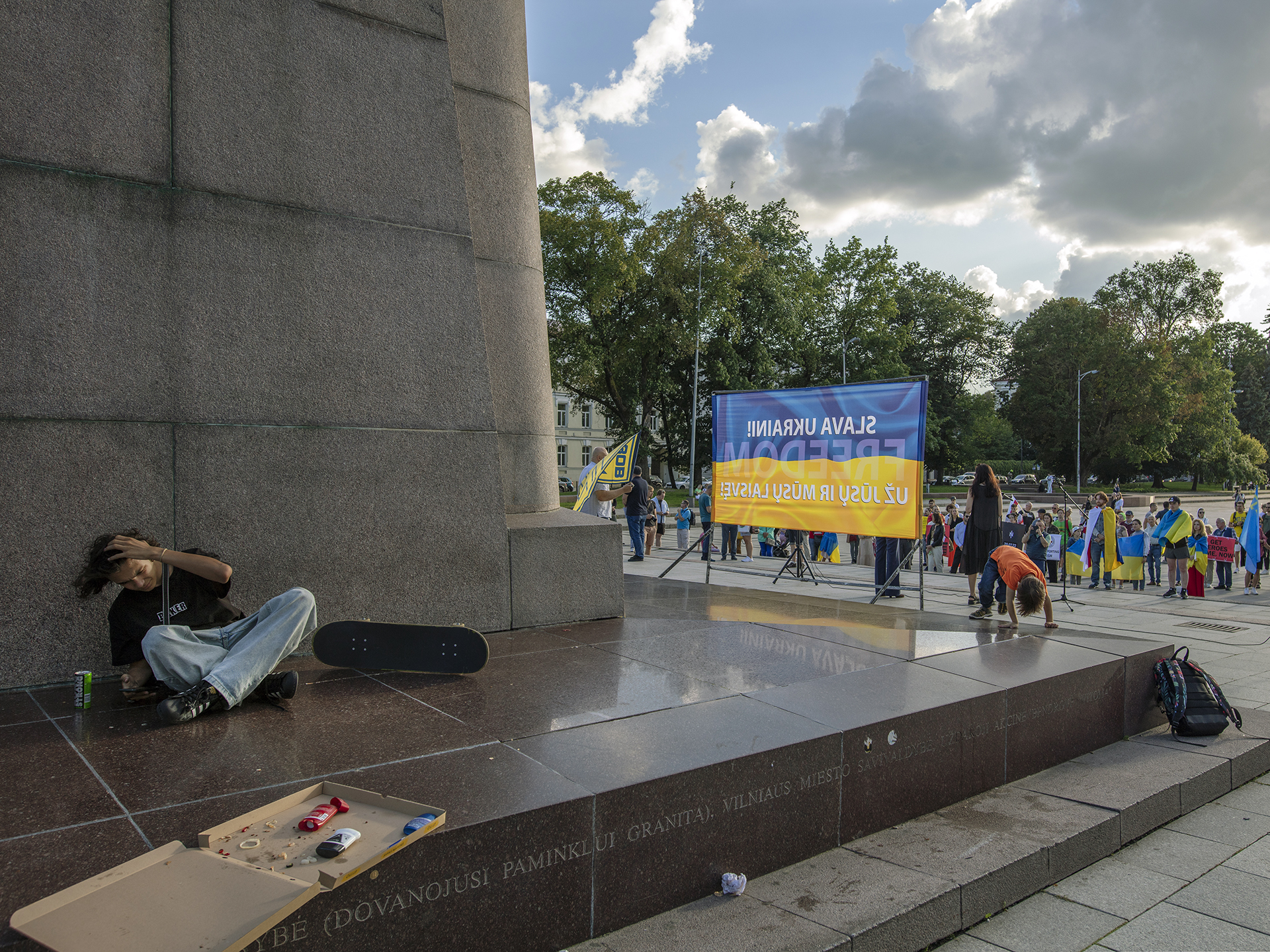
Every week a protest against the war is organized on the Cathedral Square in Vilnius.
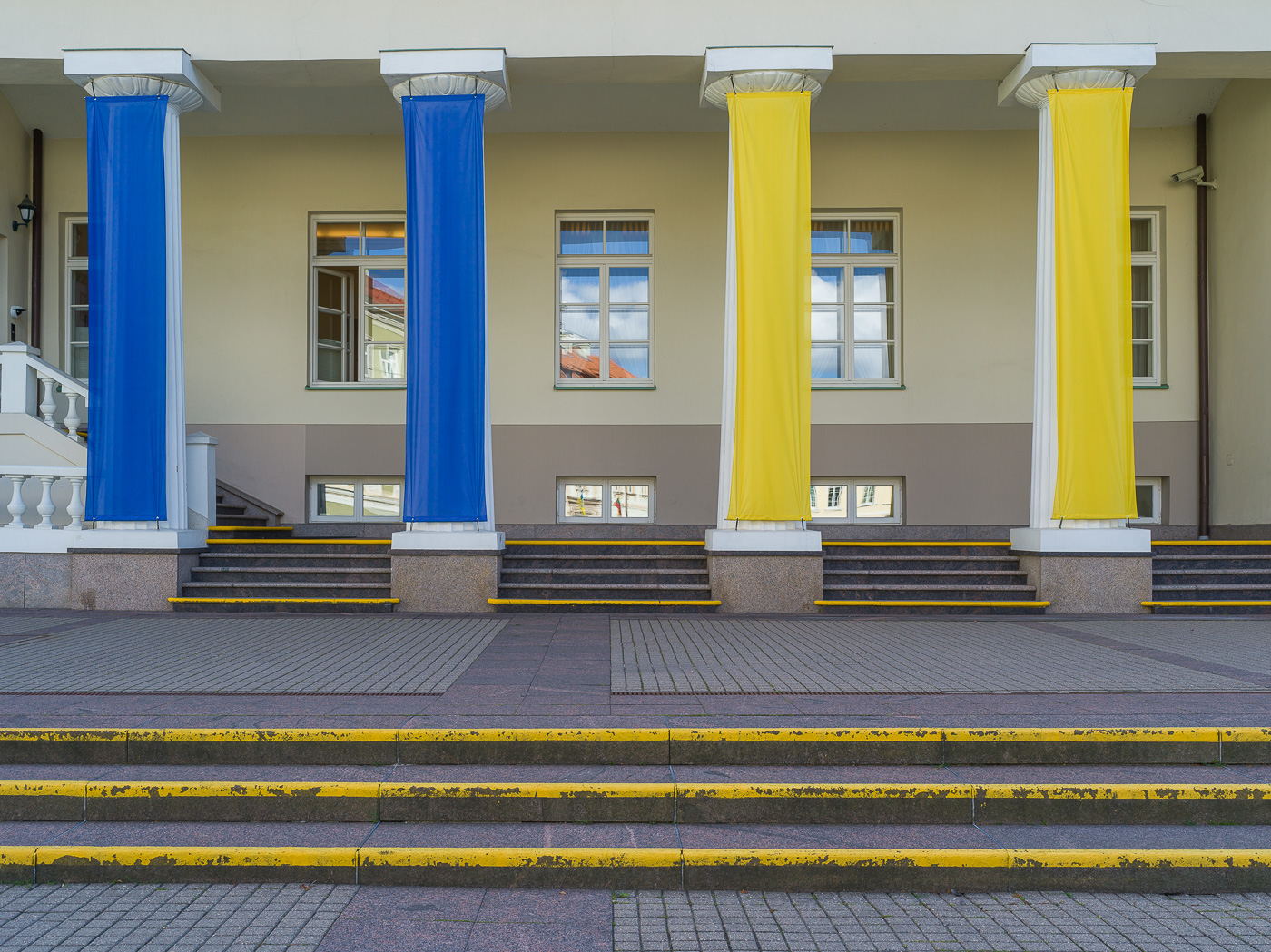
Support for Ukraine visible on the presidential palace in the old town area of Vilnius.
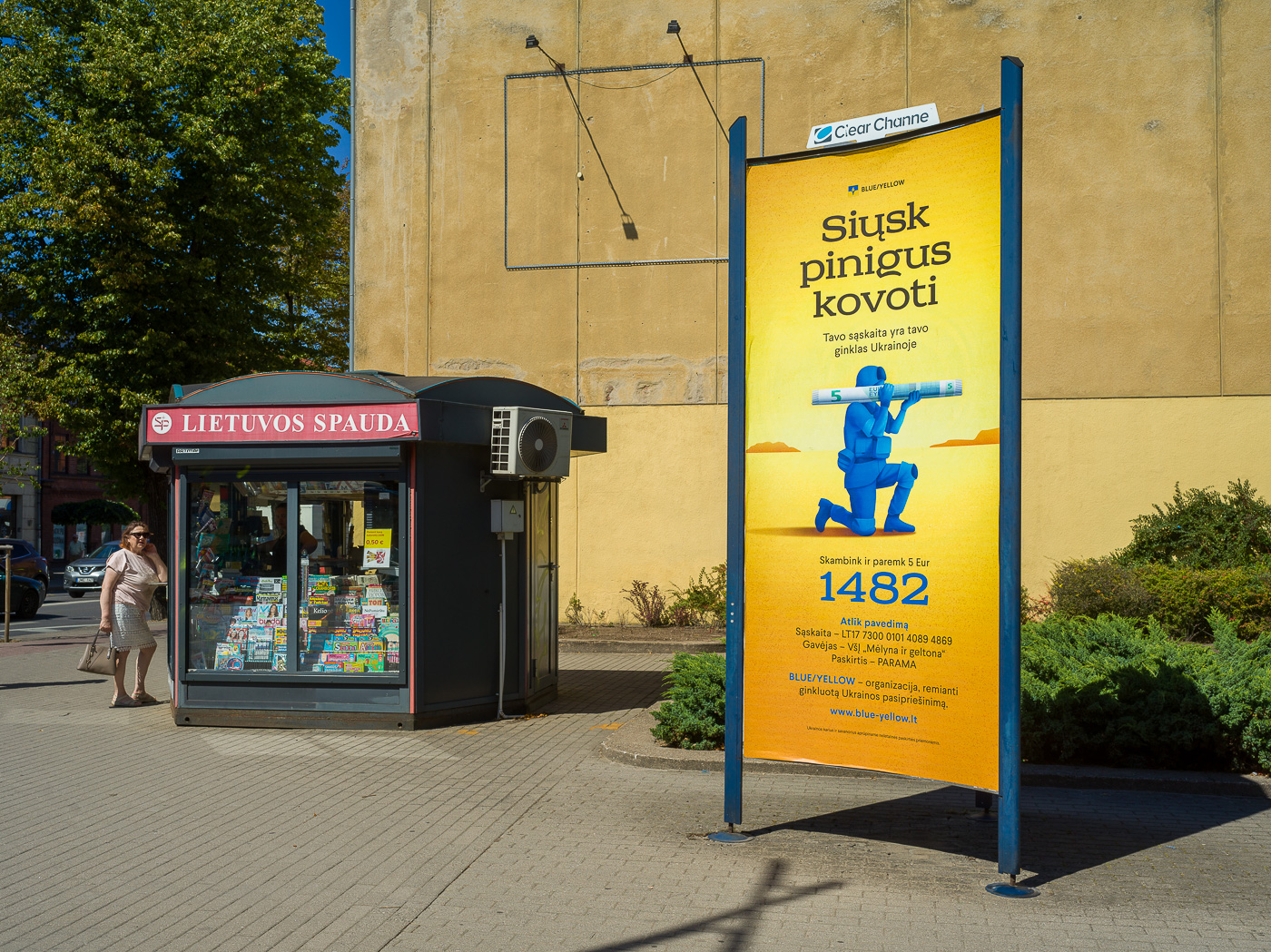
Posters call on citizens to donate money to support Ukraine in its fight against Russia.
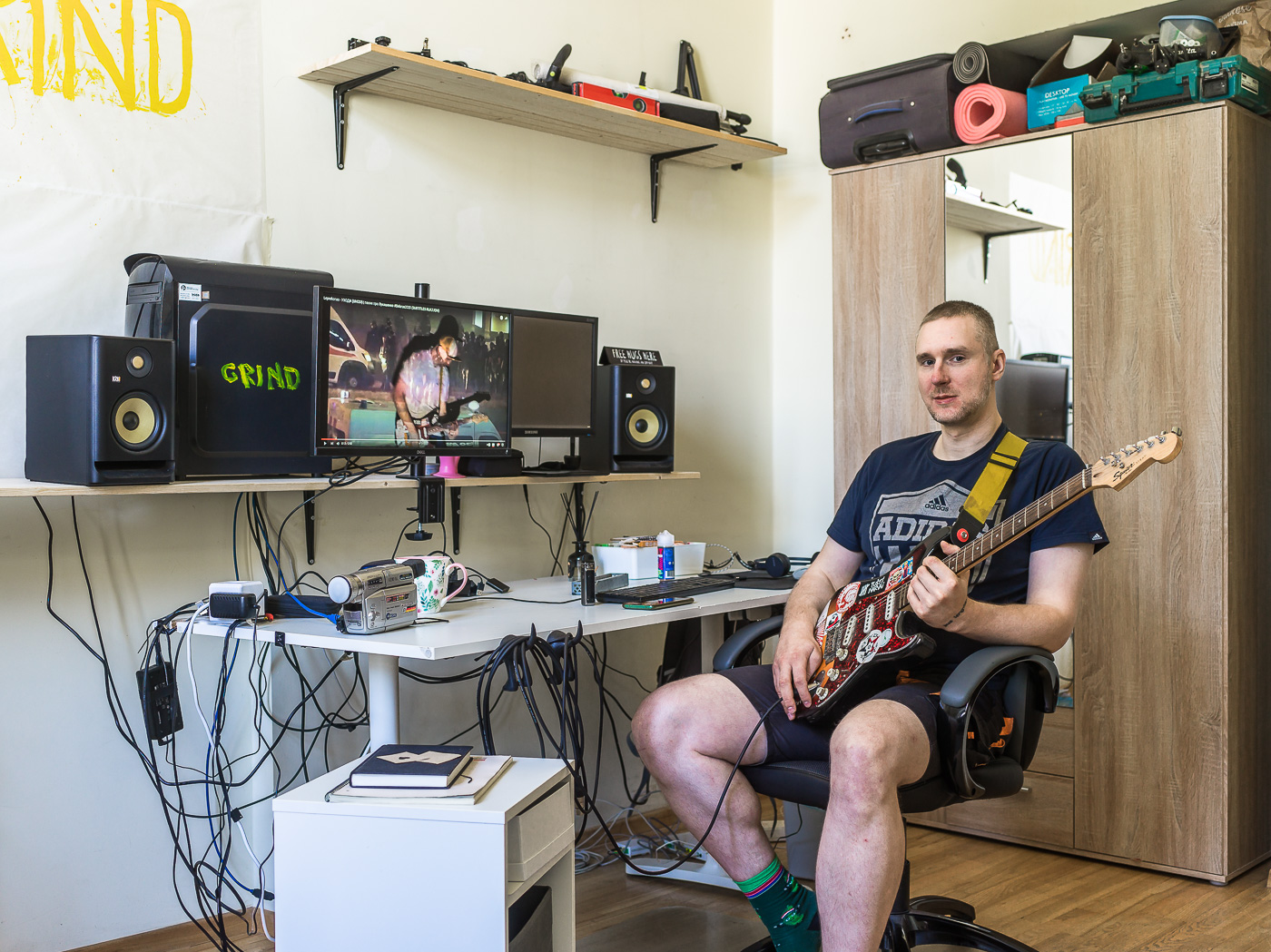
Edgaras Klasinski is from a Russian family and struggles with his identity. On the day of the invasion, he starts writing a song and making a video about Putin and the Russians who do nothing against him. He also writes several Facebook blogs in which he shares his personal experiences and evolving perspectives as a Russian-speaking Lithuanian. One of these goes viral, attracting hundreds of responses.

Dasha lived in Mykolaiv, Ukraine, when the war started. She stayed there for 3 weeks, until the Russian military entered the city and she decided to flee. She ended up in Klaipeda, where she started to work in a surf camp. Sometimes a group of Ukrainian children visits the camp, where they can learn to surf for free.
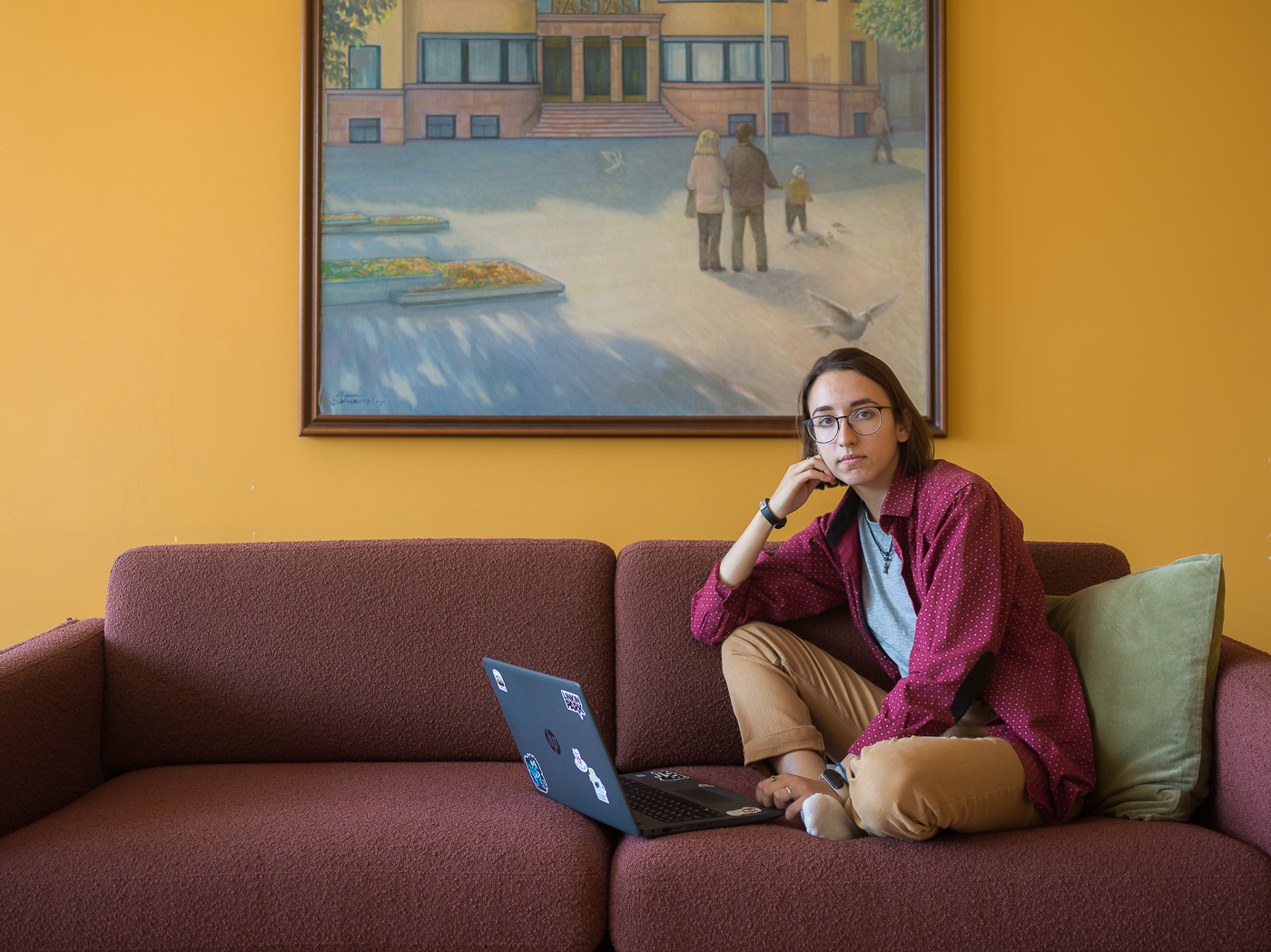
Four months after the war broke out, Diana Kosolapova's family fled via Russia and Latvia to Lithuania. A cousin in Russia - whose husband is fighting in the Ukrainian army - helped them get the necessary travel documents. Now, she lives with her parents in a small apartment in Kaunas and has resumed her studies in Graphic Design.
“I was afraid for soldiers in the Donbas. My parents tried to calm me down. They told me that these soldiers are here to protect me, so I can live as normally as possible. Now, my doctor is helping to better understand my own fears. I keep hearing a voice that says: everything will be okay. I realize now that this isn’t normal. I’m probably just trying to calm myself in some way. In Ukraine, if you can’t think positively, you inevitably end up with mental health issues.”
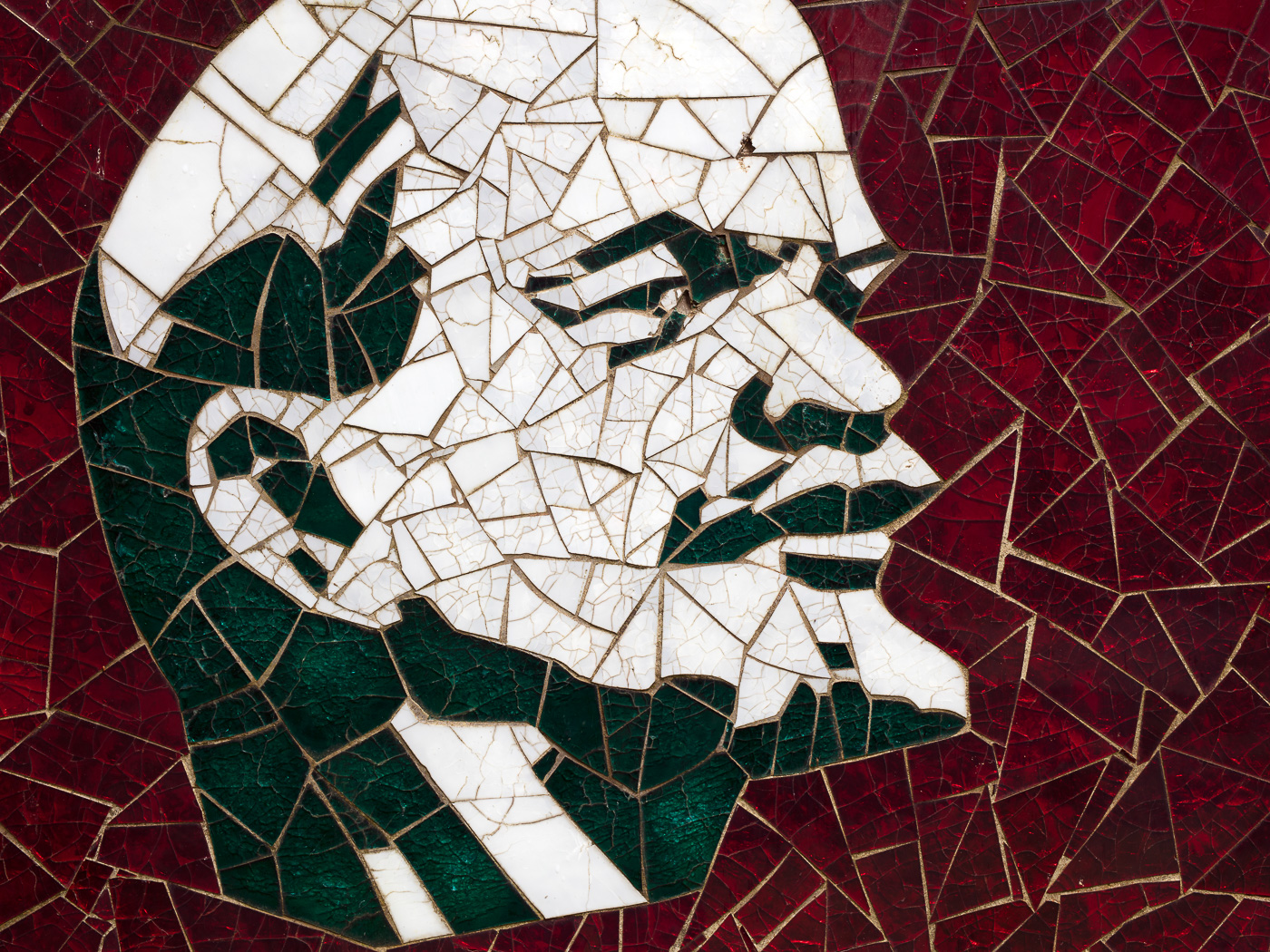
Mosaic of Lenin in Grūtas Park, near Druskininkai.

Assumption of Mary is an important holiday in predominantly Christian Lithuania. Most people gather in Pivašiūnai, a pilgrimage village in southern Lithuania where public confessions are held.
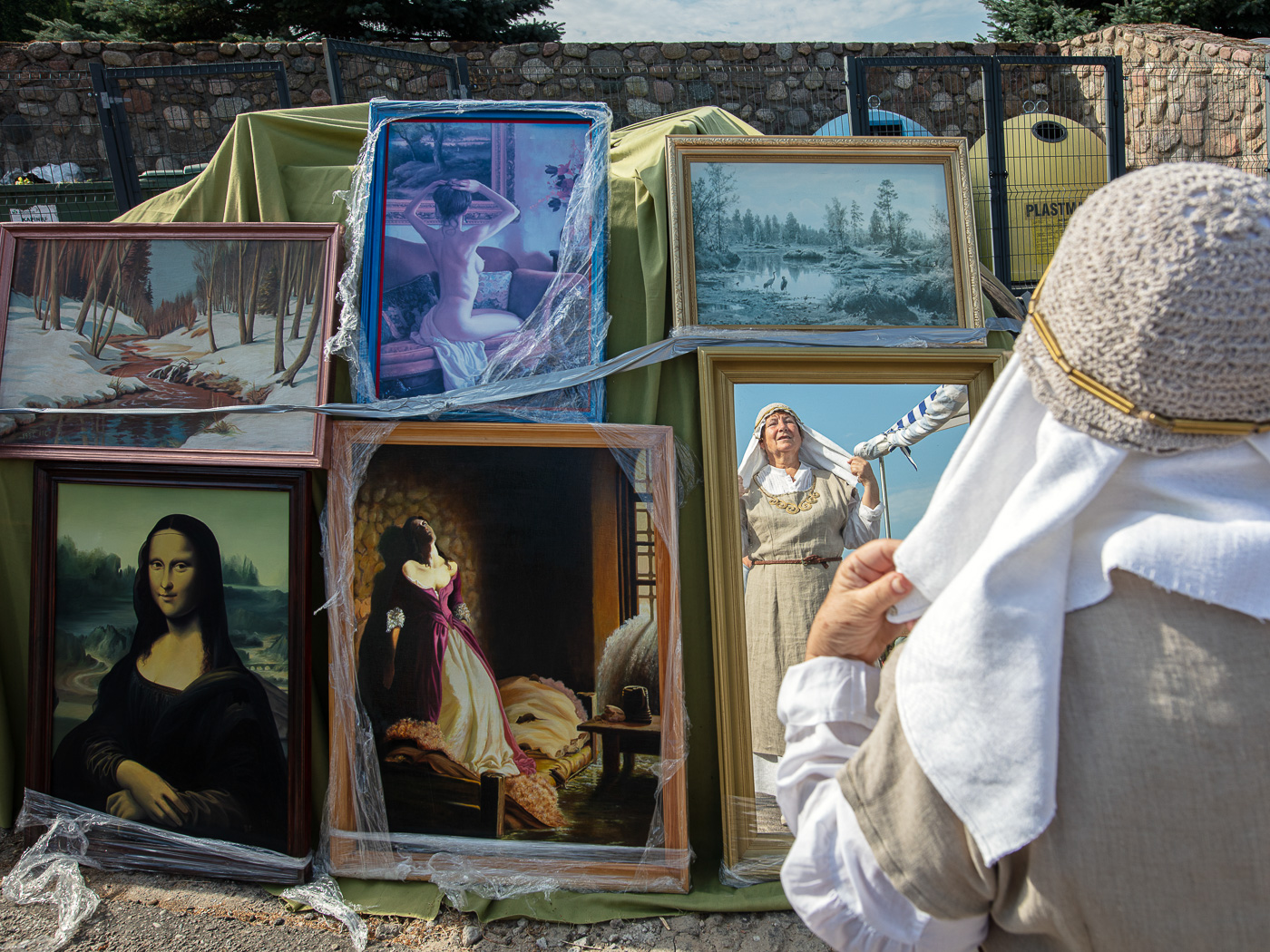
A woman dressed in a traditional costume visits a small market on Assumption of Mary day in Pivašiūnai.
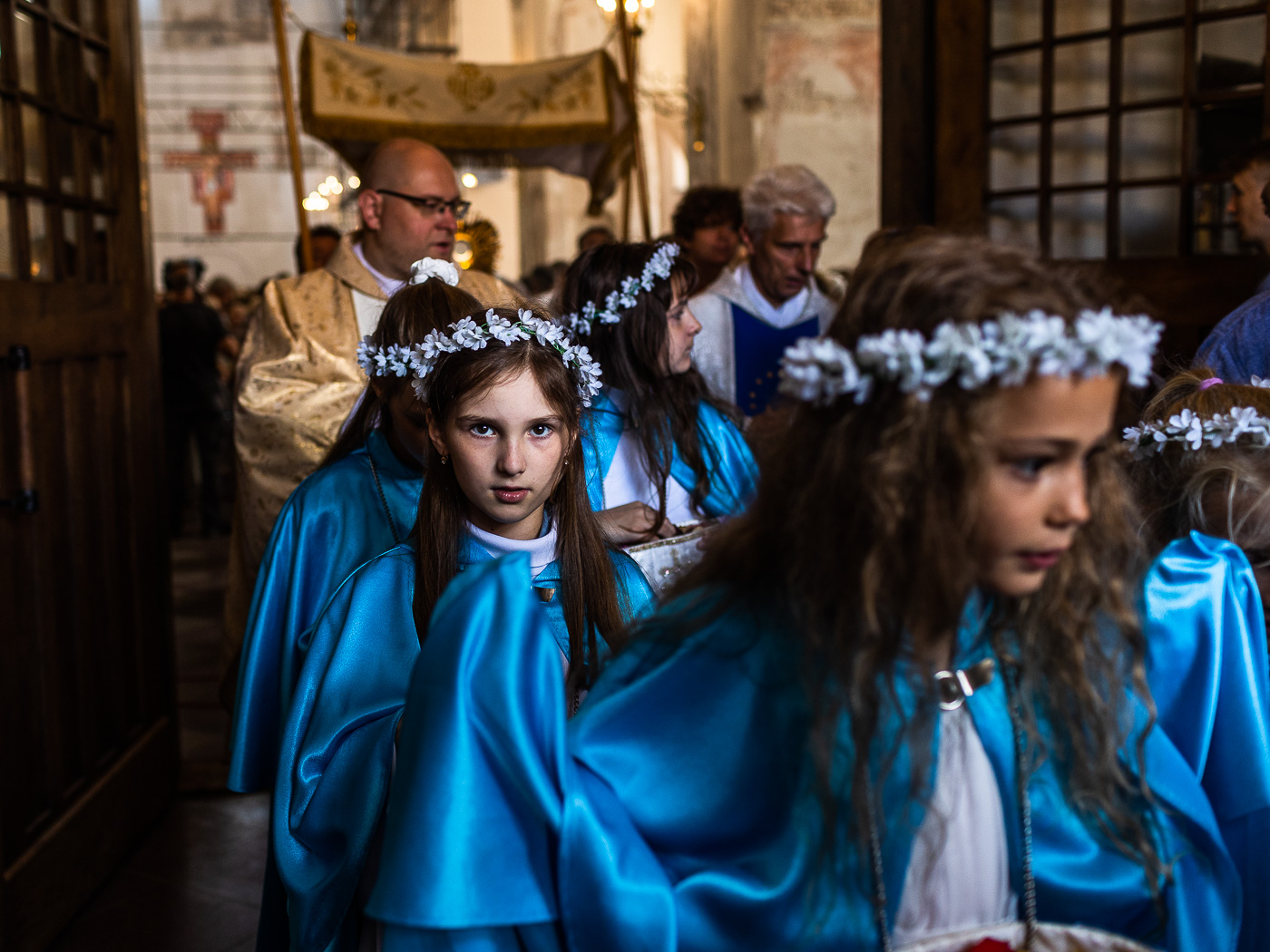
A young girl gets ready for a small procession on Assumption of Mary day in Vilnius.
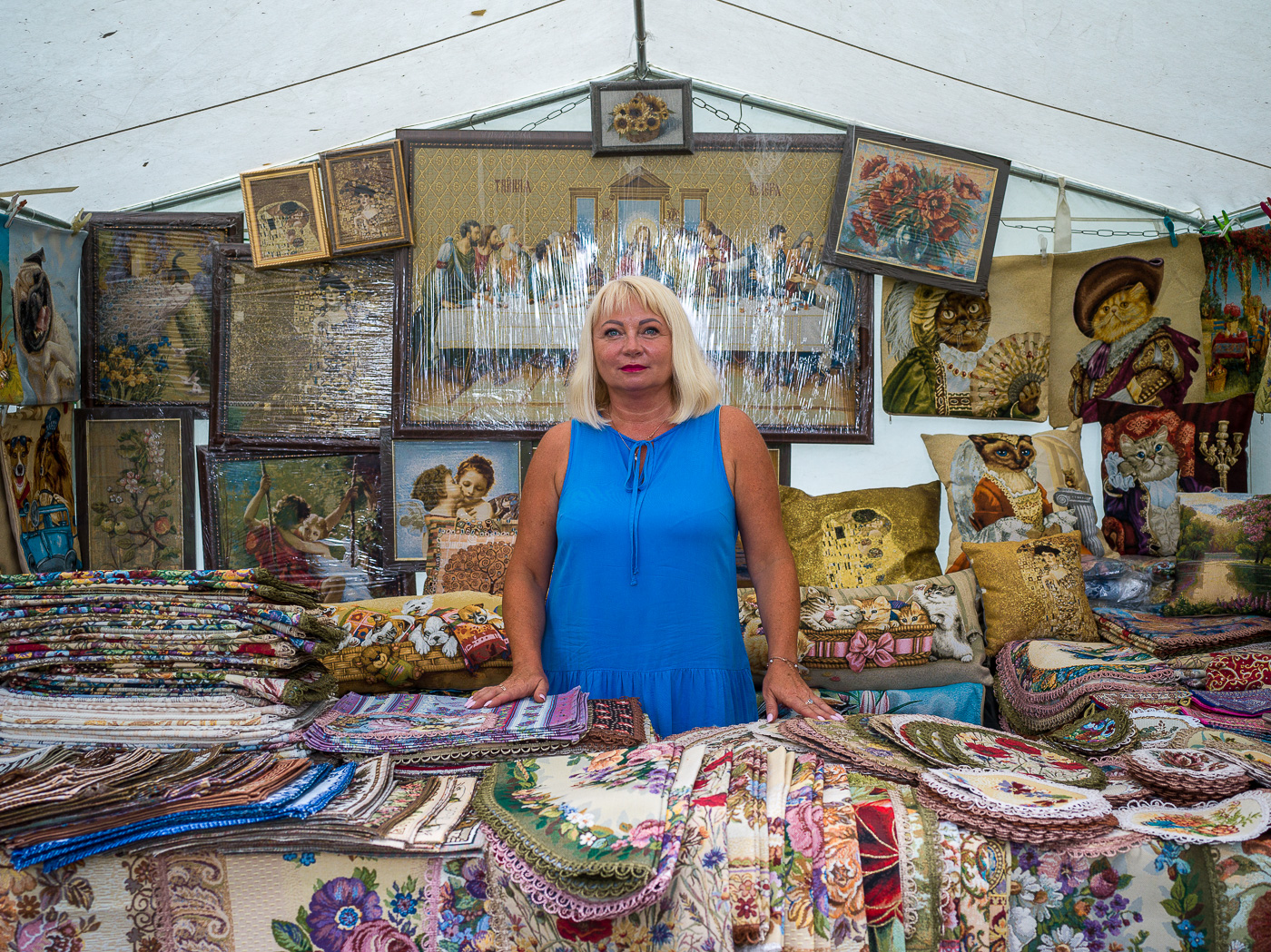
A woman sells rugs in Druskininkai, a small city in the Suwałki Gap—a strategic location for Russia because it sits right between Kaliningrad and Belarus.
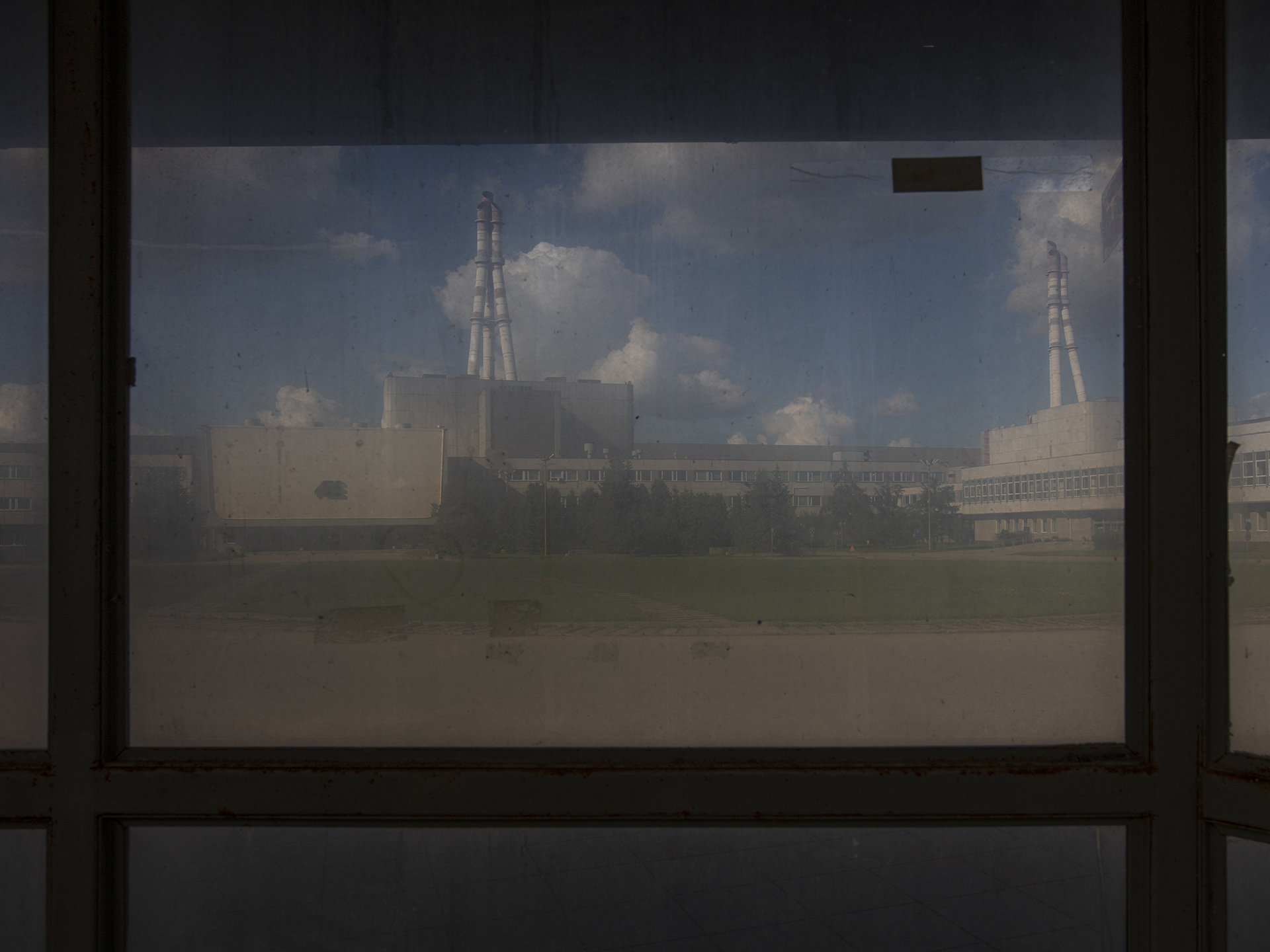
The Visaginas Nuclear Power Plant had to be constructed at the location of the closed Ignalina Nuclear Power Plant, but never came in use. Ignalina was shut down in 2009, as part of Lithuania's agreement to join the European Union.
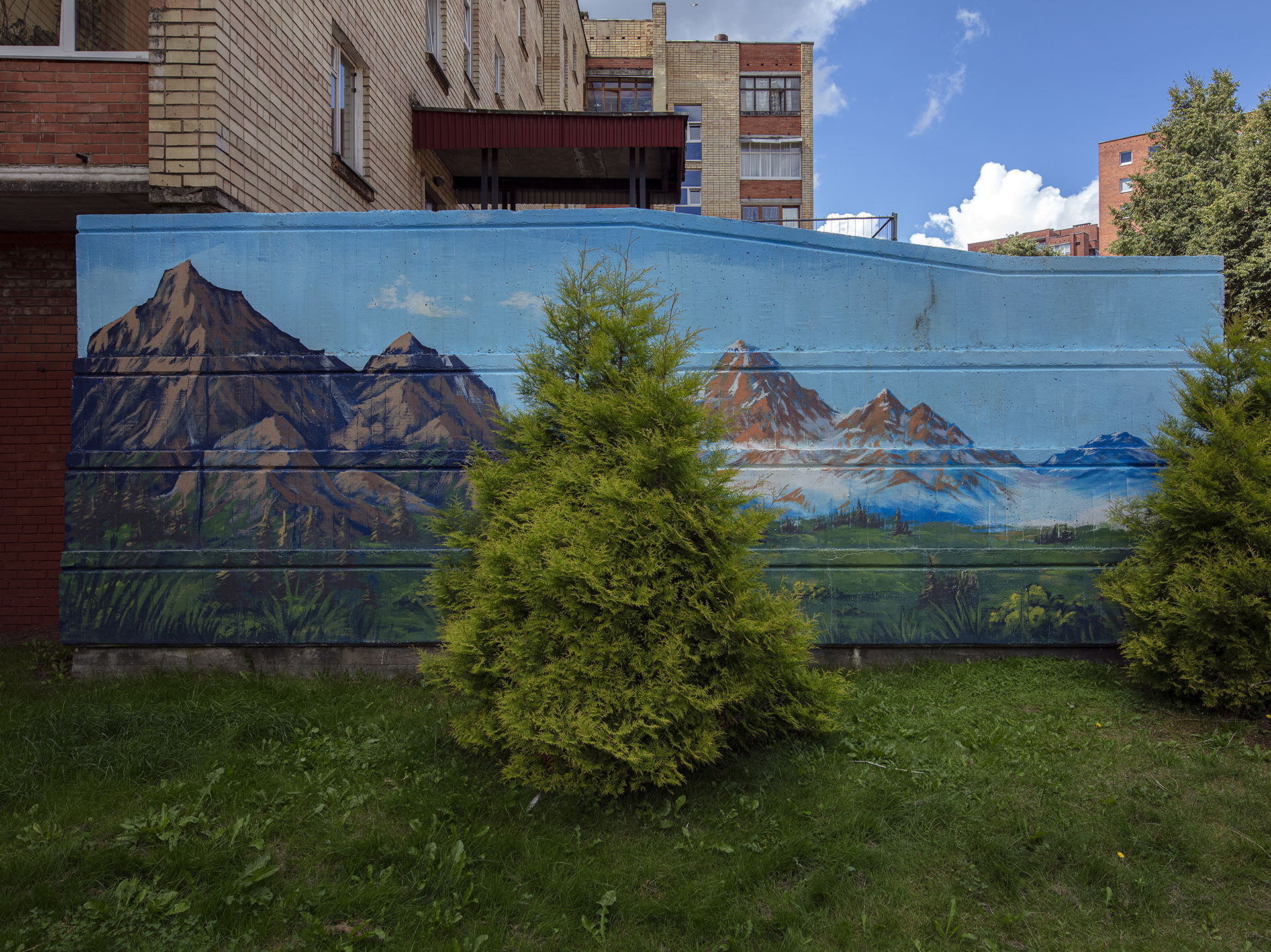
A decorated wall in a suburb of Visaginas on the border with Belarus.

Vasily Loban, the eighty-year-old grandfather of Tomas Sipko, spends every summer at his dacha in a suburb of the capital Vilnius, where he grows vegetables and watches talk shows on channels like Russia Today. Since July 8, 2022, Russian state media have been banned from the regular broadcast offerings.
“The Russians make really great shows,” says Tomas, “where fantasy and propaganda blend together. When I’m at my grandfather’s place, I see fragments where they say absolutely ridiculous things. And the statements are becoming more extreme. We have a little chat, but I can’t convince him of my viewpoints. That’s why I avoid political topics now.”
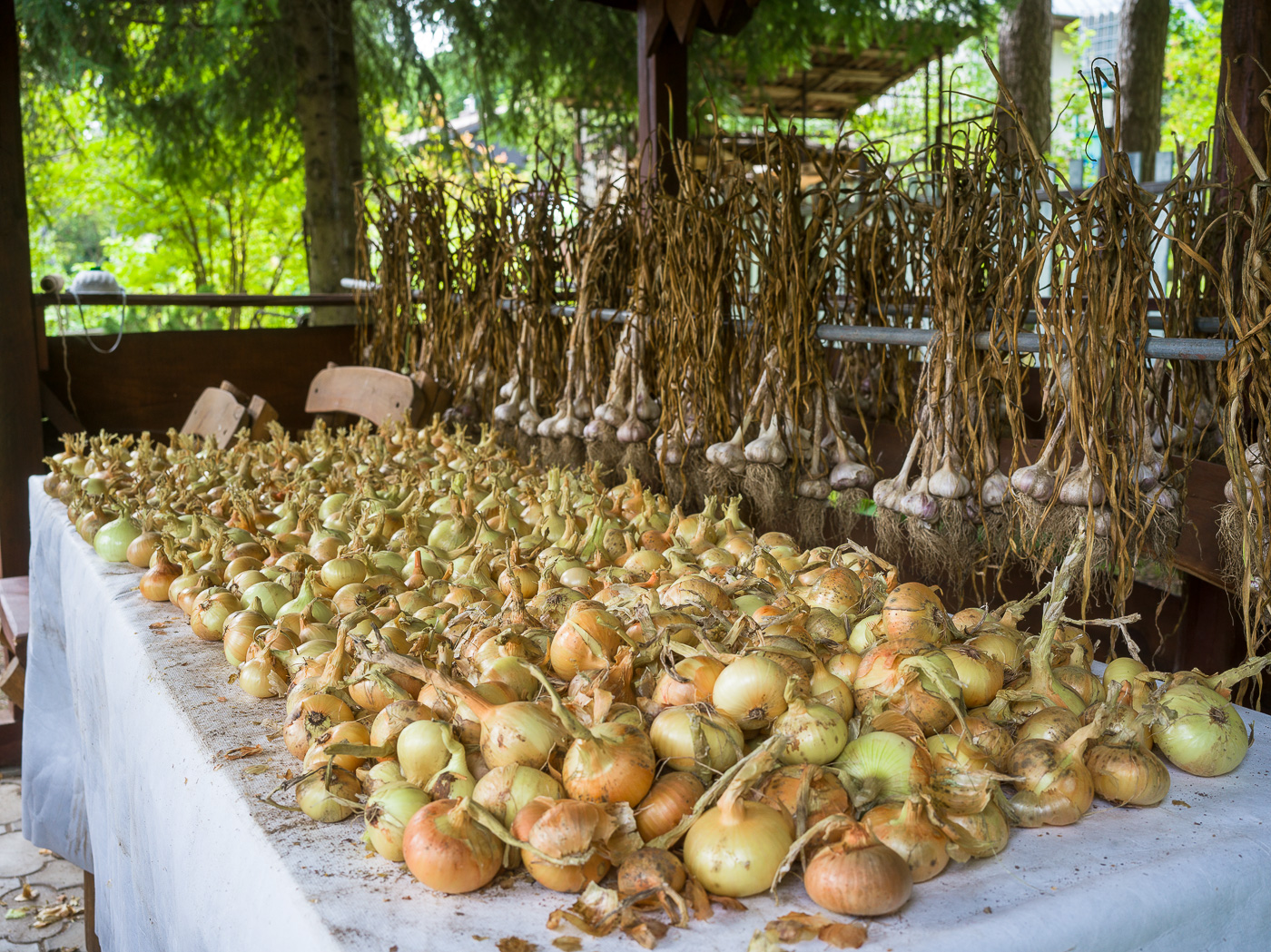
Onions are drying near the dacha of Vasili Loban.
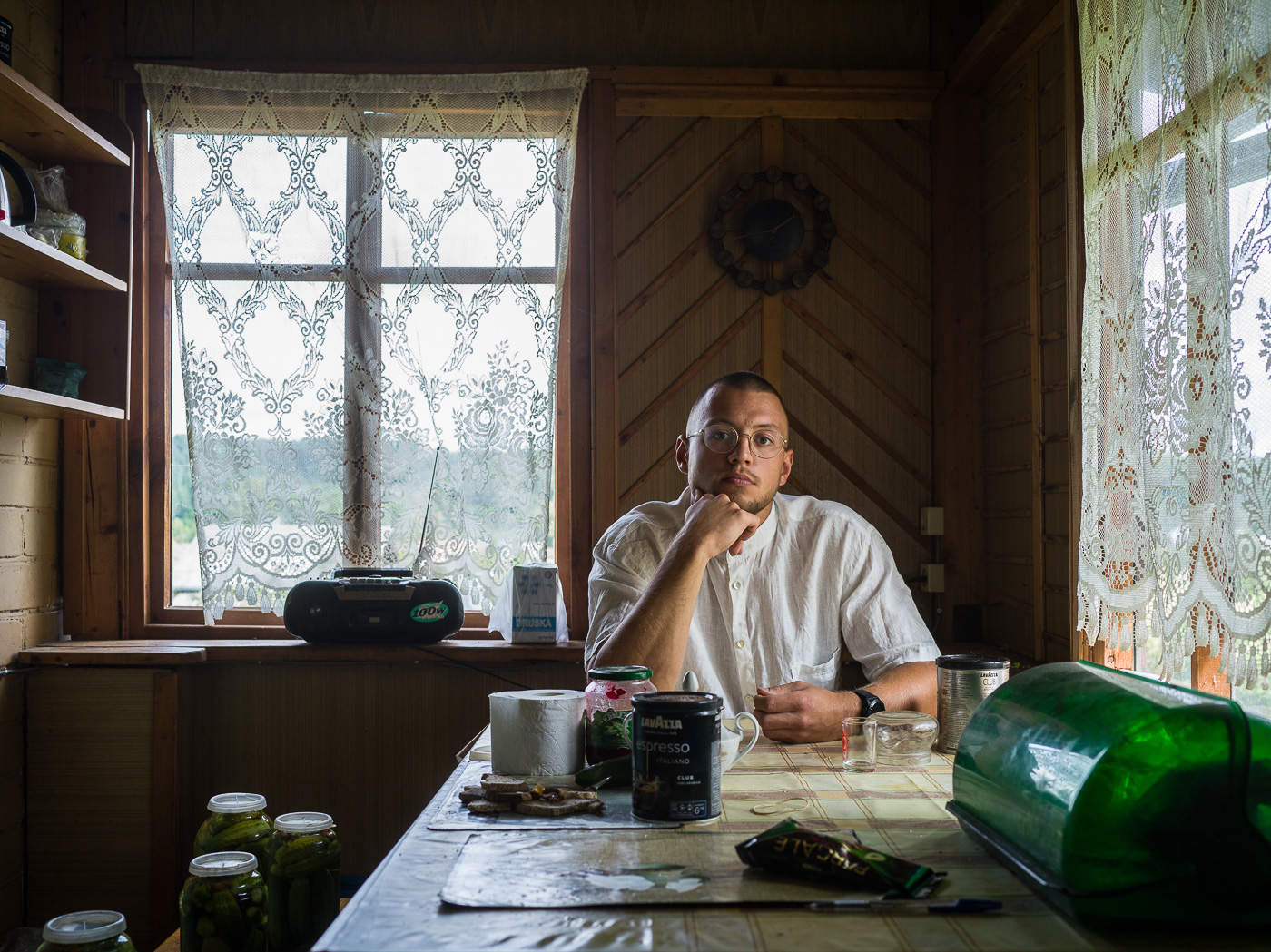
Tomas regularly visits his wooden cottage of his grandfather Vasili to clean up or maintain the vegetable garden.
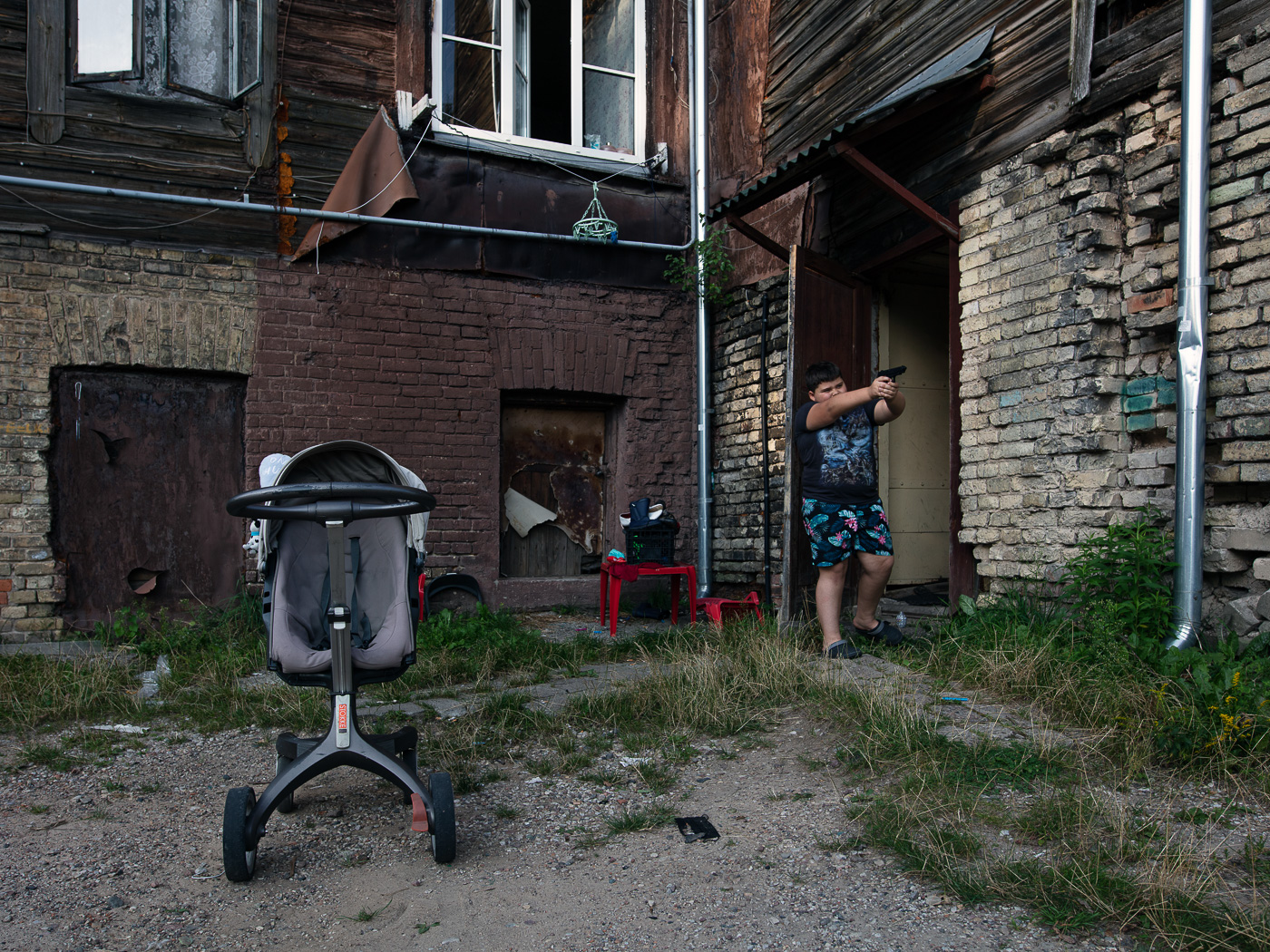
A boy plays with a toy gun in a suburb of Vilnius.
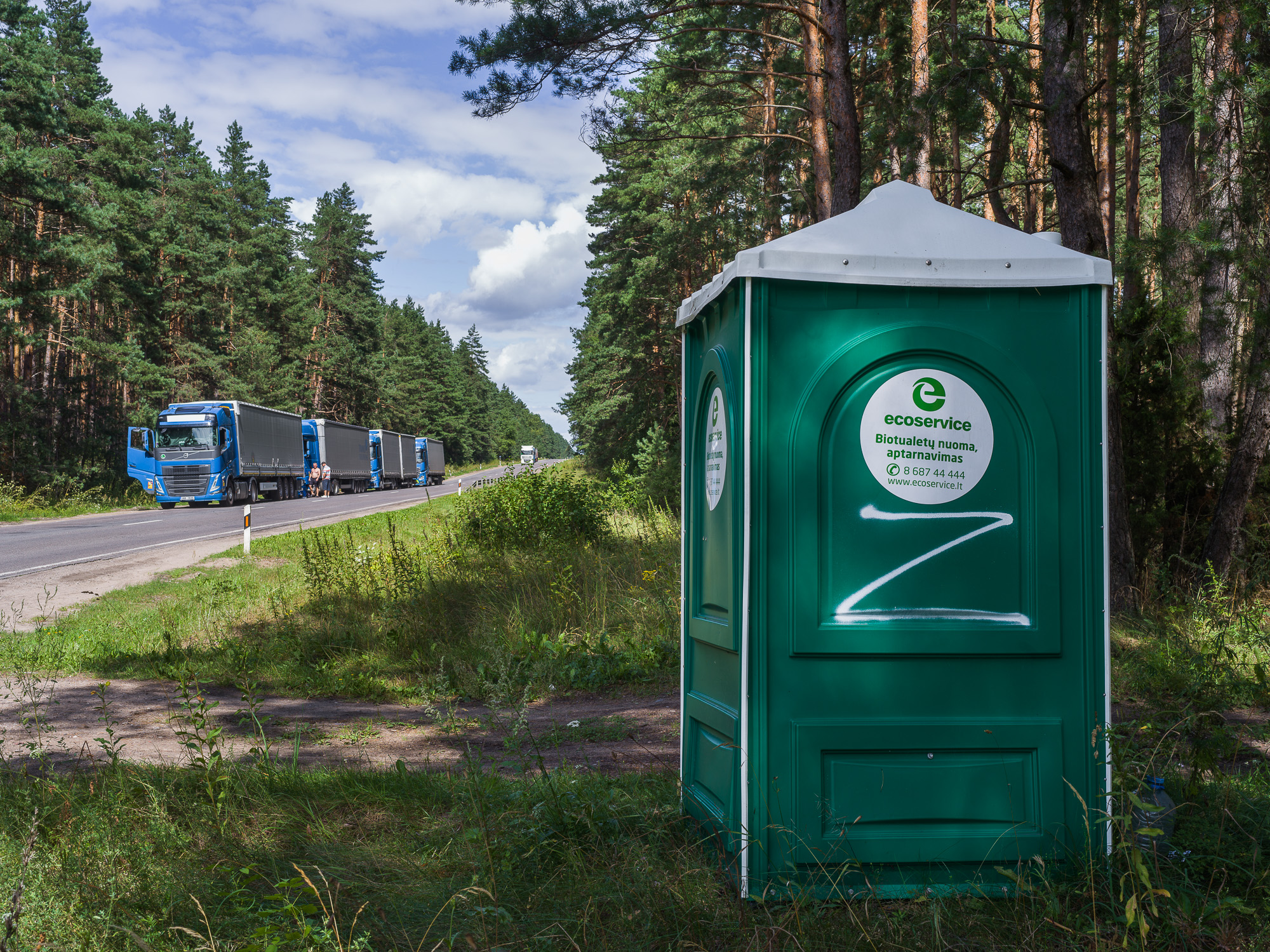
Miles before the Raigardas checkpoint, truck drivers wait to cross the border into Belarus. Along the road, every few hundred meters, portable toilets are set up in the forest, marked with the letter 'Z,' a reference to the symbol used by the Russian military during the war in Ukraine.

Tikhon Smirnov in front of a Ukrainian mural on the Moscow House. Tikhon grew up in this neighborhood, where the small wooden houses disappeared and were replaced by modern apartments, offices, and shops.
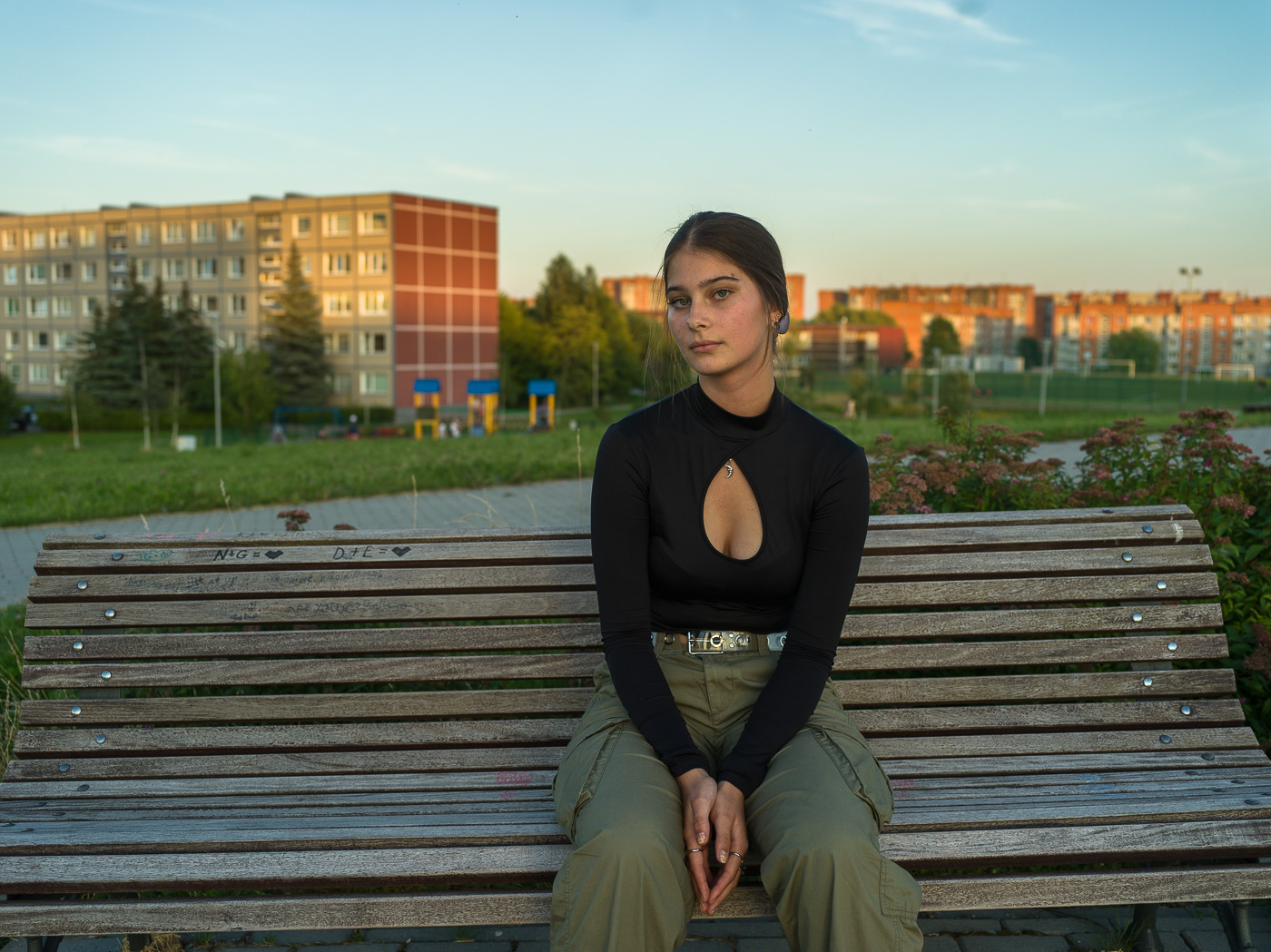
In Klaipeda 16 years old Valerija Kushnerova tells that when she's not at school, she prefers to hang out with friends. She's from a Russian family and doesn't speak Lithuanian, which is why she has little contact with the Lithuanian community. This is something we often saw in our conversations with young people: a language barrier that, 32 years after Lithuanian independence, still creates two separate worlds.
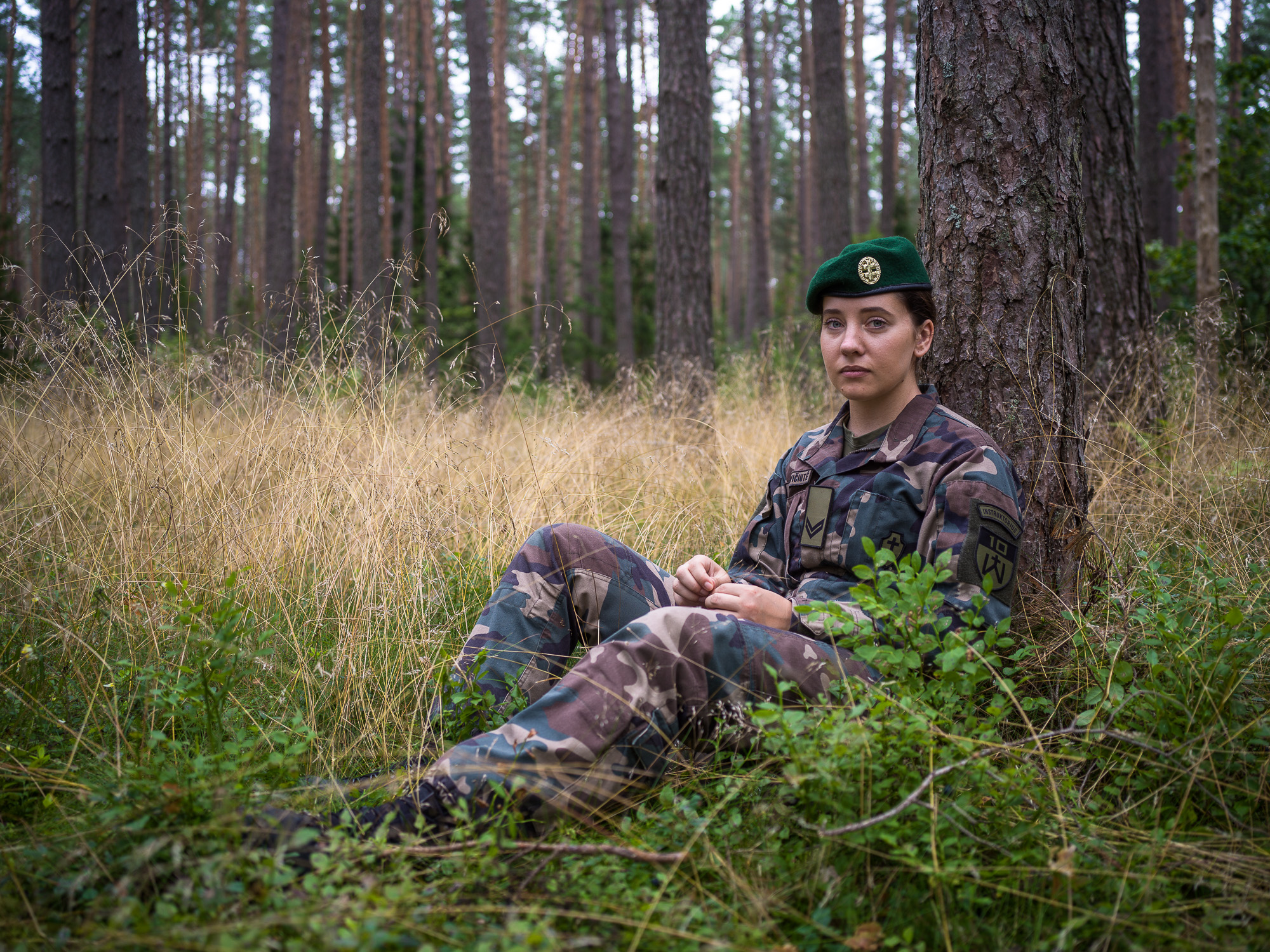
In 2019 Deimante Antanaviciute joined a paramilitary organization in Lithuania. With an oath she promised to serve and defend the country. During her time in the organization she became more pattriotic, a feeling she didn't have before.
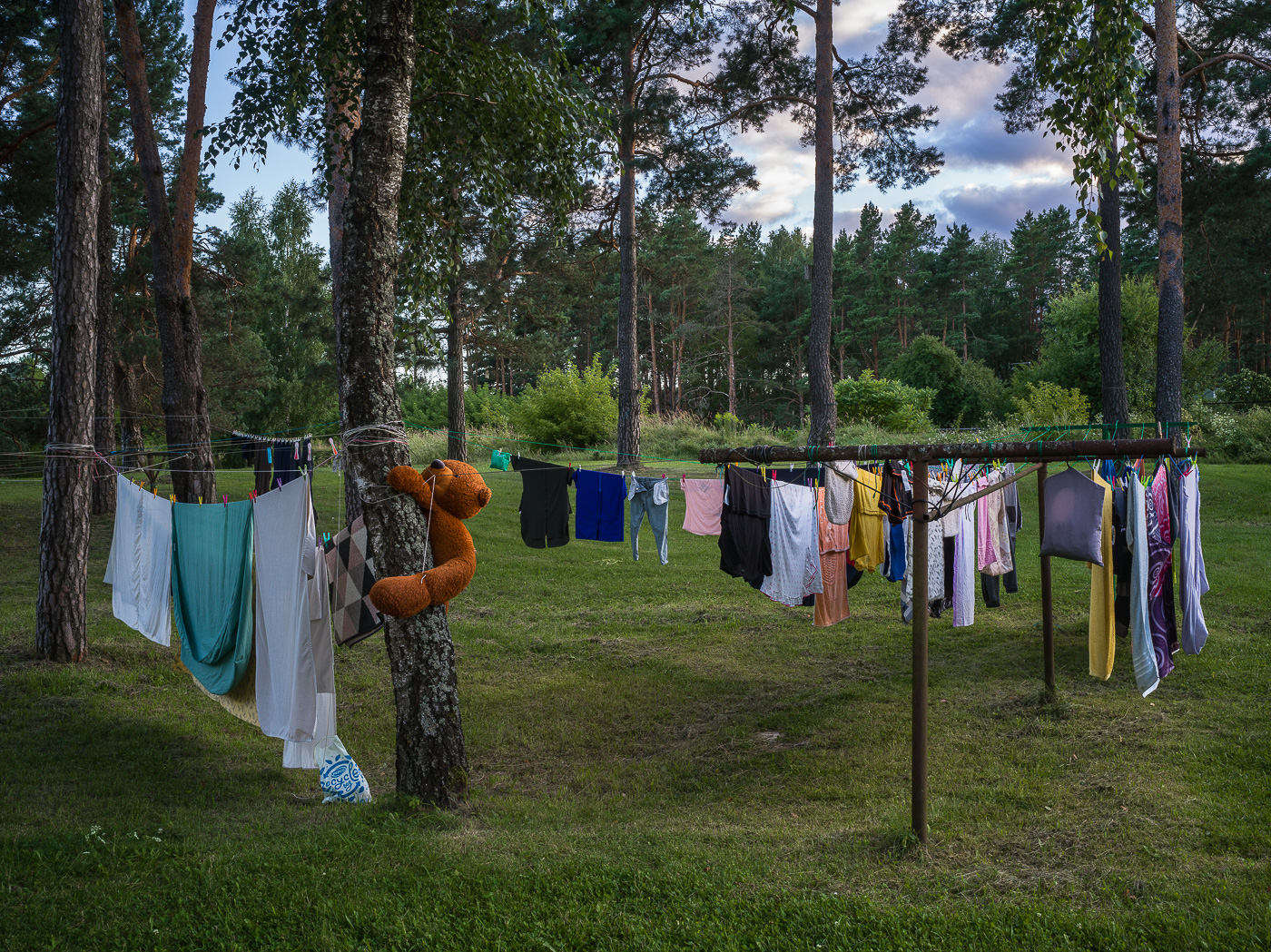
A communal drying rack in Druskininkai, a common sight in Soviet-era neighborhoods.
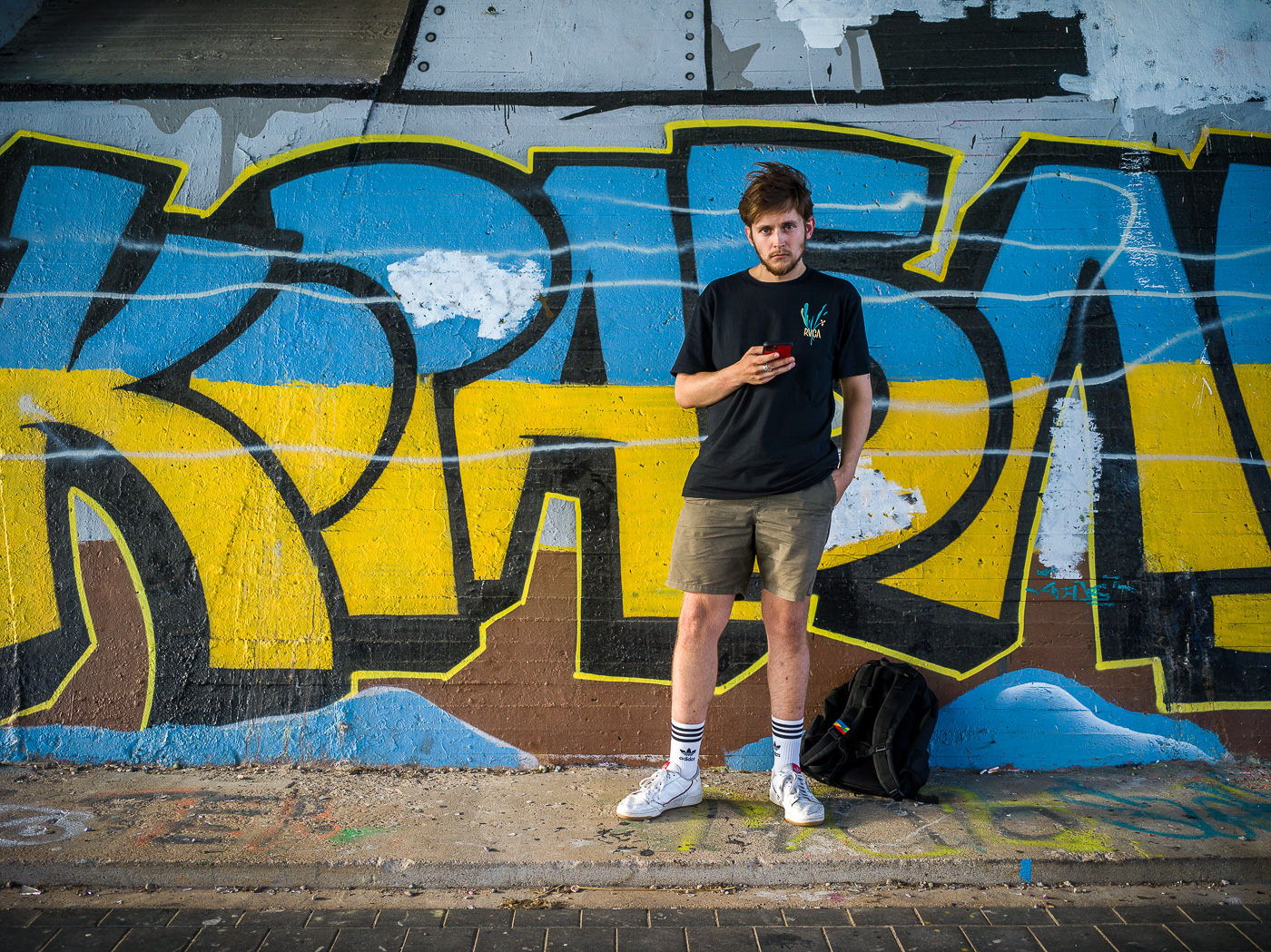
Evaldas Jasaitis is a stand-up comedian. His first tour ended on February 24, the day the war in Ukraine broke out. He had planned to visit Ukraine the next day to see an American comedian, but instead, a week later, he drove there with his colleague Oleg Surajev to evacuate Oleg's grandmother.
“I can’t write about war and make it funny. When I sit down and try to put my thoughts on paper about the war and everything that’s going on, I get very serious and emotional. It’s tough to find the humor in it. You know, there’s that saying ’too soon’ when someone tries to make a joke about something tragic and it just doesn’t land.”
Together with Oleg Surajev, Evaldas founded an organization to raise money to support the Ukrainian military. They bought a military truck, which they personally drove to the Ukrainian border.
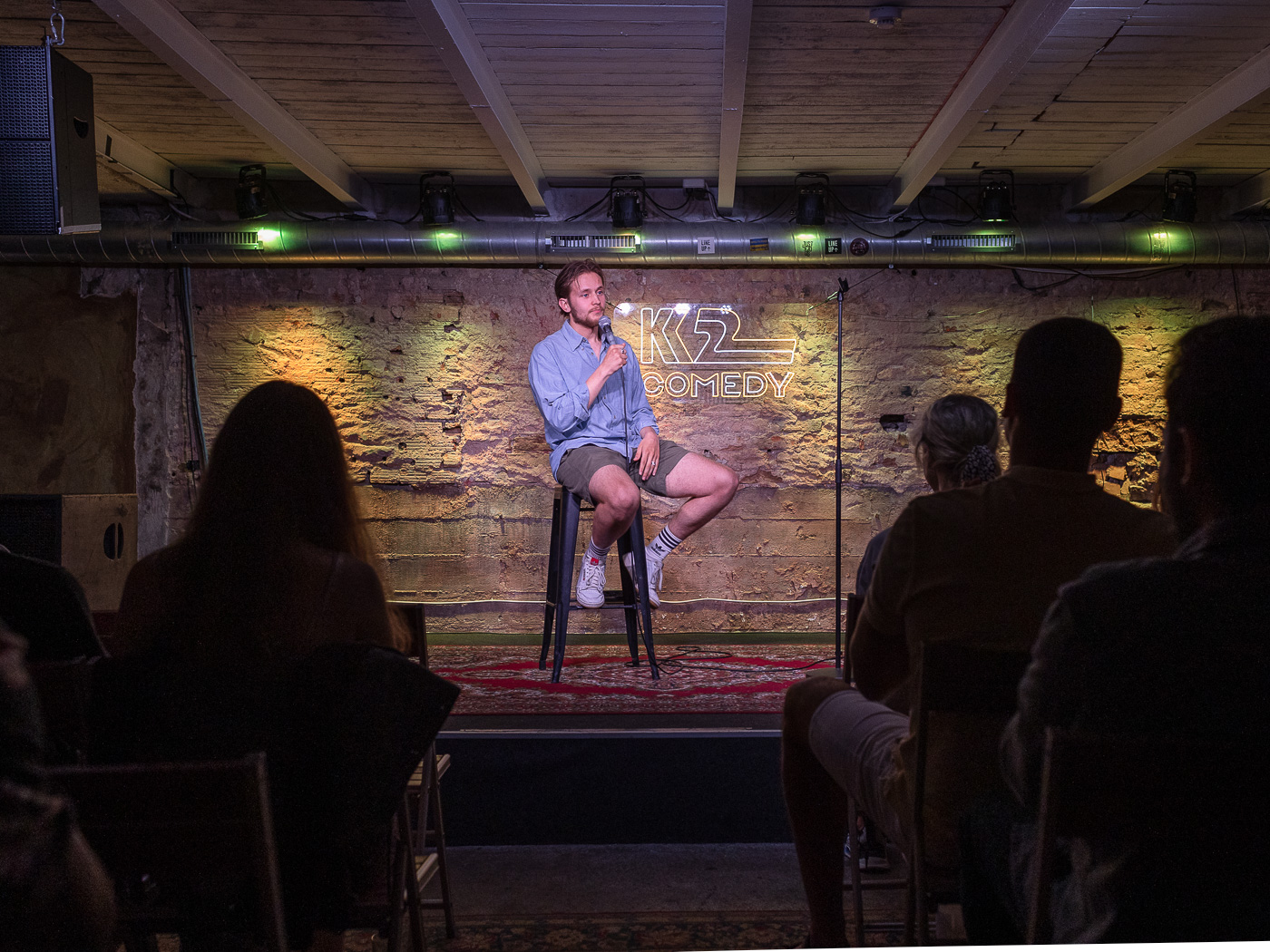
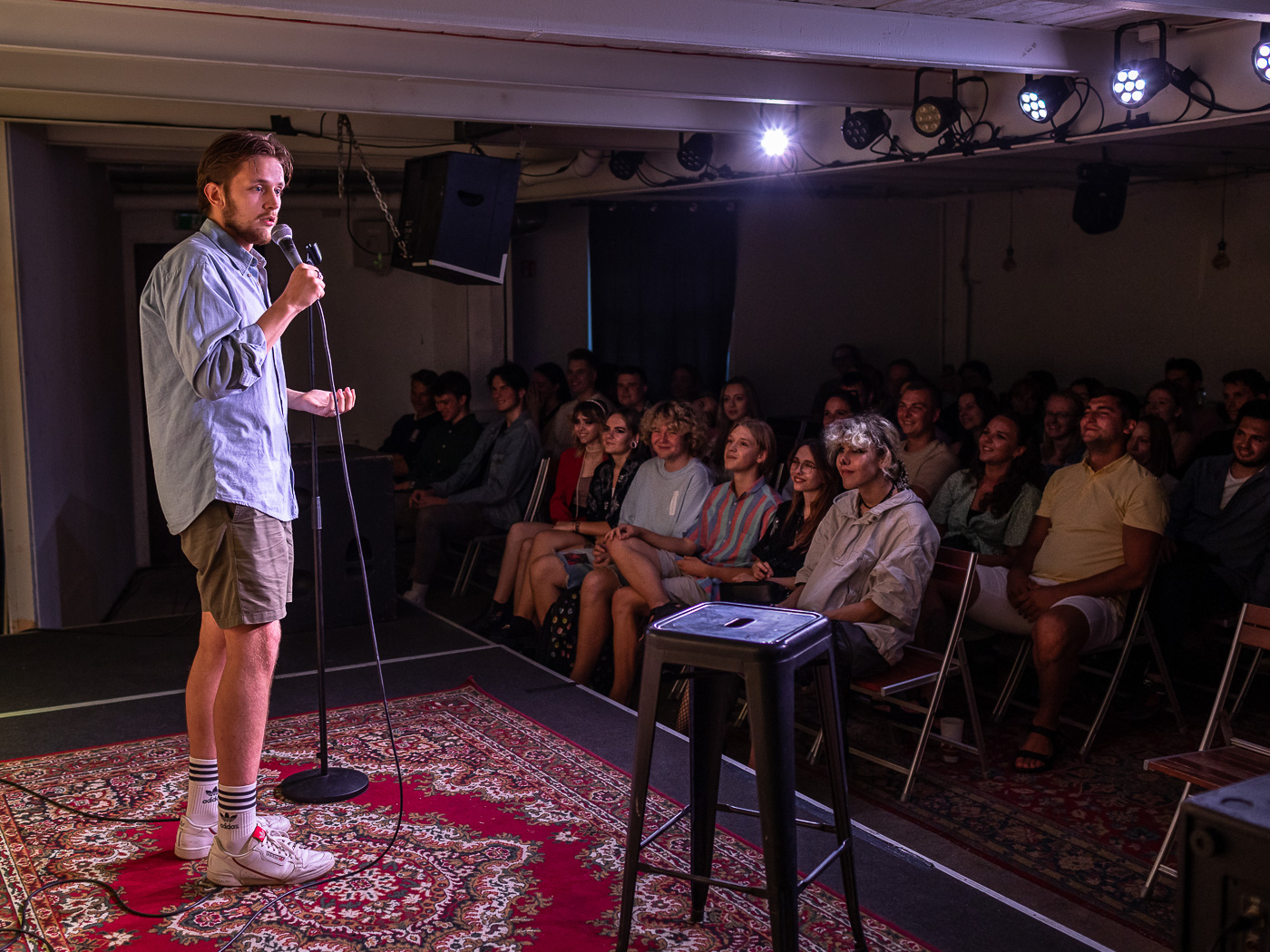
Evaldas Jasaitis performs for an audience in Vilnius.